
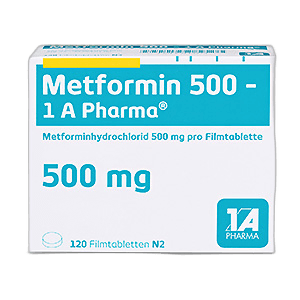
What is metformine?
Metformin is an oral antidiabetic from the group of biguanides and is considered a means of first choice in diabetes mellitus type 2. It lowers blood sugar levels without triggering hypoglycaemia, and is most commonly prescribed worldwide for the treatment of type 2 diabetes.
Metformin is available under various brand names, including Glucophage®, Siofor® and Metformin Lich®. Numerous generics are available.
The active substance is generally used as long-term therapy and is often combined with other antidiabetics or insulin if blood sugar control alone is not sufficient.
Active Ingredients & Mechanism of Action
Active ingredient: Metformin (Metforminhydrochlorid)
Metformin acts on glucose metabolism via several mechanisms:
Inhibition of glucose production in the liver:
- Reduces the hepatic glucoseogenesis (sugar new formation)
- This is the most important mechanism of action
Improving insulin sensitivity:
- Increases glucose absorption in muscle and fat cells
- The body cells react better to body-specific insulin
Delay of glucose absorption in the intestine:
- Slows sugar intake from food
Advantages over other antidiabetics:
- No increased hypoglycaemia risk for use alone
- Weight neutral to light weight reduction
- Proven cardiovascular benefits
Who is it suitable for?
Metformin is suitable for:
- Adults with diabetes mellitus type 2
- As the first drug therapy after lifestyle changes
- In combination with other antidiabetics or insulin
- Overweight patients with type 2 diabetes (especially benefits)
Not suitable:
- Diabetes type 1
- Heavy kidney function disorder (eGFR < 30 ml/min)
- Acute conditions with risk of lactatosis
- Pregnancy and breastfeeding
Available Dosages
Available starches:
- 500 mg film tablets
- 850 mg film tablets
- 1000 mg film tablets
Retard tablets:
- 500 mg, 750 mg, 1000 mg (delayed release)
Use dosage:
- Start: 500 mg 1-2x daily or 850 mg 1x daily
- Increase every 1-2 weeks
- Maximum dose: 3000 mg/day (usual: 2000 mg/day)
How to Take
Intake:
- Take at or after meals (reduced gastrointestinal discomfort)
- Swallow pills with water
- Do not disassemble or chew retard tablets
Dosing scheme (typical):
- Week 1-2: 500 mg in the evening
- Week 3-4: 500 mg morning and evening
- Then possibly increase to 3x 500 mg or 2x 1000 mg
Important notes:
- Regularly take, even if there are no symptoms
- Set off before contrast medium tests (CT/MRT) and then pause for 48 h
- In case of medical surgery
- Regular kidney value controls
Contraindications
**Metformin must not be taken at:* *
- Heavy kidney failure (eGFR < 30 ml/min)
- Diabetic ketoacidosis or diabetic precoma
- Acute conditions with risk of kidney damage (dehydration, severe infections, shock)
- Liver insufficiency
- alcohol intoxication, alcoholism
- Heart failure (NYHA IV)
- conditions with tissue hygiene (heart circulation shock, respiratory insufficiency)
Preview at:
- Restricted kidney function (eGFR 30-45 ml/min: max. 1000 mg/day
- Older patients (more frequent kidney value controls)
- Before contrasting (48 h break)
Pregnant period: Metformin is not permitted during pregnancy. Conversion to insulin required.
Possible Side Effects
Very common (>10%):
- nausea
- Break.
- diarrhea
- stomach pain
- Lost appetite
Note: These complaints occur mainly at the beginning of therapy and usually improve after a few weeks. Take for food and help slow dose increase.
Acid (1-10%):
- Flavour disorders (metallic)
Selten:
- Lactose (very rare, but potentially life-threatening)
- Vitamin B12 deficiency in long-term use
- Liver malfunction
- Skin reactions
Long term: With years of use, regularly control vitamin B12 levels.
Interactions
Alcohol: Increased risk of lactatosis. Avoid excessive alcohol consumption.
Contrast agent (joint): Delay Metformin 48 hours before and after the examination. Risk of kidney damage.
Preview with simultaneous use of:
- ACE inhibitors, diuretics – kidney function can deteriorate
- corticosteroids – can increase blood sugar
- Other antidiabetics or insulin – hypoglycemia risk increases in combination
Reactions over kidney: Medicines that affect the kidney function require special monitoring.
Frequently Asked Questions
Similar Medications



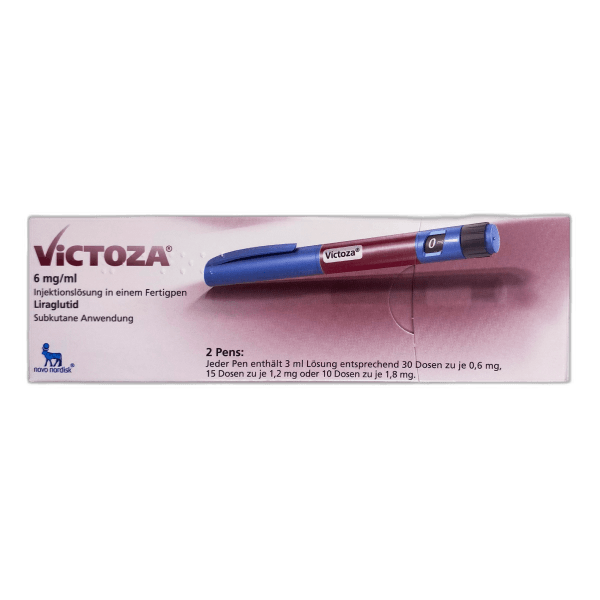
Is metformine right for you?
A licensed doctor will review your information and issue a prescription if suitable. Discreet and secure.
Important Notice
This information does not replace medical advice. If you have questions about your health or the suitability of this medication, please consult a doctor. Read the package leaflet before use.