
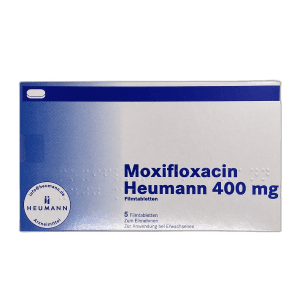
What is moxifloxacin?
Moxifloxacin (Avalox®) is a 4th-generation fluoroquinolone antibiotic with a broad spectrum of action, which is also effective against anaerobic. It is used as a reserve antibiotic for severe infections, including complicated infections of the small basin (PID – Pelvic Inflammatory Disease) and severe gynecological mixed infections.
Important note: Like all fluoroquinolones, moxifloxacin should only be used in severe infections without suitable alternatives (EMA restriction 2019).
Active Ingredients & Mechanism of Action
Active ingredient: Moxifloxacin
Active mechanism:
- Inhibits bacterial DNA gyrase and topoisomerase IV
- Bactericidal action
- Wide spectrum including anaerobic
speciality:
- Only fluoroquinolone with good anaerobic action
- Works against the typical pathogens of gynecological mixed infections
- Good tissue penetration in gynecological tissue
- One daily gift
Activity spectrum: Gram-positive and Gram-negative pathogens, anaerobics, atypical pathogens (Chlamydia, Mycoplasma).
Who is it suitable for?
Moxifloxacin is suitable as a reserve agent for:
- Complicated infections of the small basin (PID)
- Heavy gynecological mixed infections
- If standard therapies have failed or are not tolerated
Not suitable:
- Uncomplicated bacterial vagina (standard therapy: Metronidazole or Clindamycin)
- Uncomplicated infections
- Children and youth
- Pregnancy and breastfeeding
- Liver insufficiency (hepatotoxicity!)
Available Dosages
Gynecological infections:
- 400 mg once a day for 14 days
Available starches:
- 400 mg film tablets
No dose adjustment required at:
- Low to moderate kidney failure
- Older patients
How to Take
Intake:
- Once a day, regardless of meals
- Swallow tablet in whole with water
- At least 4 hours distance to antazida, iron, magnesium
Important notes:
- avoid sun/UV (phototoxicity)
- Leave immediately
- Pay attention to heart rhythm disorders (QT extension)
- Monitor liver enzymes
Contraindications
**Moxifloxacin must not be taken at:* *
- hypersensitivity to fluoroquinolones
- tendon disorder under previous fluoroquinolone therapy
- QT extension or medicines that extend QT
- Liver insufficiency (Child-Pugh C)
- Pregnancy and breastfeeding
- Children and youth
Preview at:
- Epilepsy
- Myasthenia gravis
- Diabetes
- Electrolyte disorders (hypocaemia, hypomagnesemia)
- Aortenaneurysma risk
Possible Side Effects
Family (1–10 %):
- nausea, diarrhea
- dizziness, headache
- QT extension in the EKG
- Increased liver levels
Selten, but seriously:
- Hepatitis, liver failure
- Snake rupture
- Peripheral neuropathy
- Mental disorders
- Heavy arrhythmias
** Moxifloxacin has a higher risk for QT extension and liver toxicity compared to other fluoroquinolones.
Frequently Asked Questions
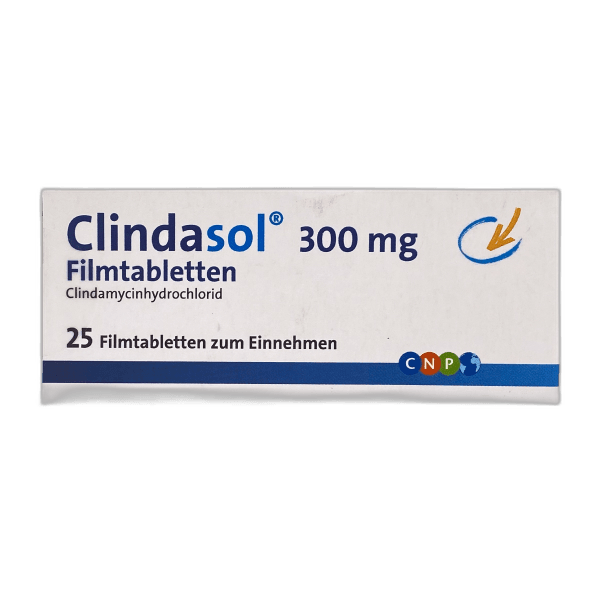
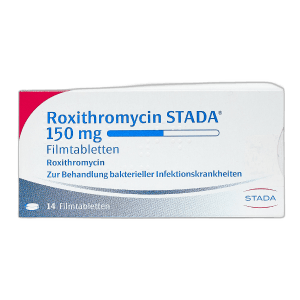
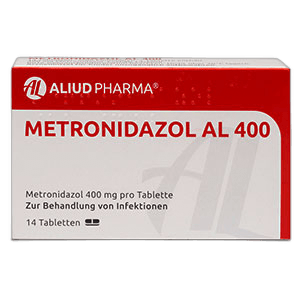
Similar Medications
Is moxifloxacin right for you?
A licensed doctor will review your information and issue a prescription if suitable. Discreet and secure.
Important Notice
This information does not replace medical advice. If you have questions about your health or the suitability of this medication, please consult a doctor. Read the package leaflet before use.