
Overview
In this section you will get an overview of the condition and its relevance to your health.
Bacterial vaginosis (BV) is the most common cause of unusual vaginal discharge in women of childbearing age. It occurs due to a shift in the natural vaginal flora and is not a classic sexually transmitted disease, though it can occur in connection with sexual activity.
Many women are affected at least once during their lives. The symptoms can be bothersome but are well treatable in most cases. A correct diagnosis is important, as untreated bacterial vaginosis can increase the risk of further infections.
The good news: Bacterial vaginosis can usually be treated quickly and effectively with targeted antibiotics — including after medical review through an online consultation.
What is it?
Here you will learn what medically characterizes this condition and how it is defined.
The vagina normally has a natural protective flora consisting predominantly of lactic acid bacteria (lactobacilli). These maintain an acidic environment and protect against pathogenic germs.
In bacterial vaginosis, an imbalance of this flora occurs. The protective lactobacilli are displaced while other bacteria — particularly anaerobic organisms such as Gardnerella vaginalis — proliferate.
Crucially: Bacterial vaginosis is not an inflammation in the classic sense, but a disruption of the bacterial balance. Nevertheless, it can cause unpleasant symptoms and have medical consequences if left untreated.
Causes
The following information explains which factors can contribute to the development of this condition.
The exact cause of bacterial vaginosis is not fully understood. However, several predisposing factors are known.
Changes in the vaginal flora are the primary factor. These can be triggered by frequent intimate washing, vaginal douching, or the use of harsh soaps.
Sexual activity can increase the risk, particularly with frequently changing partners. Nevertheless, bacterial vaginosis is not considered a classic sexually transmitted disease.
Hormonal changes, such as during menstruation, pregnancy, or from hormonal contraceptives, can influence the composition of the vaginal flora.
Other risk factors include:
- Smoking
- Intrauterine devices (copper IUD)
- Previous bacterial vaginosis
Symptoms
This section describes the typical signs and symptoms you should watch for.
Many women with bacterial vaginosis have only mild symptoms or are even asymptomatic.
Typical symptoms include:
- Thin, grayish-white vaginal discharge
- Characteristic fishy odor, especially after intercourse
- Mild burning or itching in the intimate area
Unlike a vaginal yeast infection, there is usually no significant redness or intense itching.
Warning signs that require medical evaluation:
- Pain
- Fever
- Bleeding
- Symptoms during pregnancy
Diagnosis
Below you will learn how this condition is detected through medical examinations.
The diagnosis of bacterial vaginosis is made through a gynecological examination and assessment of vaginal secretions.
Typical diagnostic criteria include:
- Elevated vaginal pH
- Detection of so-called "clue cells" under the microscope
- Characteristic odor test
In many cases, clinical assessment is sufficient. For unclear or recurring symptoms, a swab for more precise identification of the organisms may be useful.
During an online consultation, symptoms, medical history, and previous findings can be recorded. For typical symptoms, therapy can be initiated or a gynecological examination recommended.
Treatment
Here the available therapy options and their modes of action are explained.
Treatment of bacterial vaginosis is usually with antibiotics.
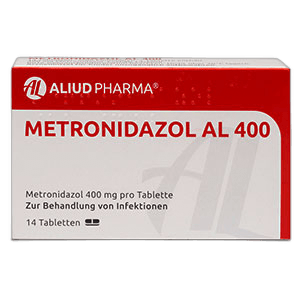
Metronidazole is the first-line treatment. It can be used either orally as a tablet or locally as a vaginal gel. The active ingredient targets anaerobic bacteria specifically. Common side effects include nausea or a metallic taste.
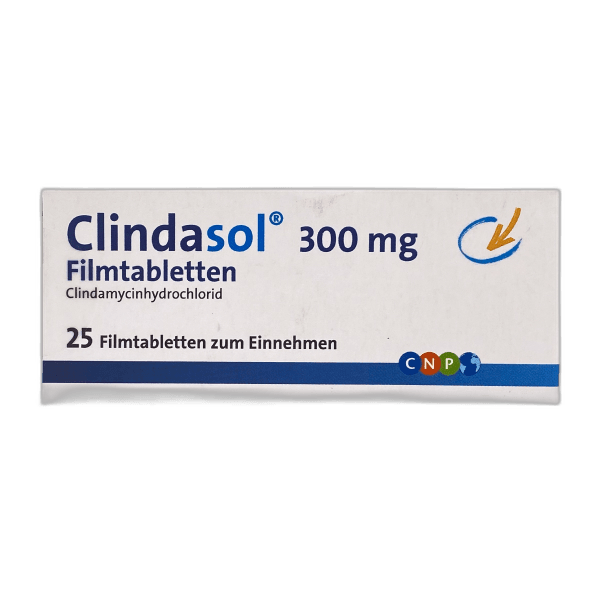
Clindamycin is an effective alternative, particularly if metronidazole is not tolerated. It is usually used locally as a vaginal cream.
Important notes:
- Alcohol should be avoided during metronidazole treatment, as it can cause adverse reactions.
- Sexual partners generally do not need to be treated.
Recurrences are possible. In these cases, longer or repeated treatment courses may be necessary. Probiotic supplements to stabilize the vaginal flora can be supportive but do not replace antibiotic therapy.
Available medications
Various prescription medications are available for treatment. Click on a medication to learn more about its effects, dosage and side effects.

Prevention
This section provides guidance on prevention and reducing risk factors.
To prevent bacterial vaginosis, gentle care of the intimate area is essential.
Recommended measures include:
- Avoiding vaginal douching
- Using mild, pH-neutral products
- Using condoms with changing partners
For recurring infections, medical advice can help identify and specifically address individual risk factors.
FAQ
Here you will find answers to frequently asked questions on this topic.
Would you like a medical assessment?
Fill out the medical questionnaire. A licensed doctor will review your information and recommend a suitable therapy if appropriate.
Important notice
This content is for general information only. In case of severe pain, shortness of breath, impaired consciousness, fever > 39°C or rapidly worsening symptoms, please seek immediate medical help ().
Related treatments
More treatments from the Frauengesundheit area that might interest you.
Verhütung
Ein kurzer Check der wichtigsten Eckdaten – danach kann eine passende Option ausgewählt werden.
Gesichtsbehaarung
Wir stellen ein paar gezielte Fragen, um mögliche Ursachen und passende Optionen einzuordnen.
Blasenentzündung
Wir prüfen Symptome und Warnzeichen, damit eine passende Empfehlung medizinisch sicher eingeordnet werden kann.
Gardnerella vaginalis
Ein paar Fragen helfen, Beschwerden und mögliche Ursachen strukturiert einzuordnen.