
Overview
In this section you will get an overview of the condition and its relevance to your health.
A urinary tract infection (cystitis) is one of the most common infectious diseases overall. Approximately half of all women develop one at least once in their lives, and many even repeatedly. Men are affected much less frequently — in their case, a urinary tract infection always warrants medical evaluation.
The typical symptoms — burning during urination, constant urge to urinate, and lower abdominal pain — are all too familiar to many women. The good news: An uncomplicated urinary tract infection can usually be treated quickly and effectively with antibiotics.
What is it?
Here you will learn what medically characterizes this condition and how it is defined.
In a urinary tract infection, bacteria — usually from the patient's own intestines — have found their way into the urinary bladder and triggered an inflammation. In more than 80 percent of cases, the intestinal bacterium Escherichia coli (E. coli) is the cause.
Anatomy explains why women are affected so much more frequently: their urethra is only about 4 centimeters long, while in men it measures about 20 centimeters. The short distance makes it easier for bacteria to reach the bladder. Additionally, the urethral opening in women is located closer to the anus.
A distinction is made between an uncomplicated urinary tract infection — the typical cystitis in otherwise healthy women — and a complicated urinary tract infection, where certain risk factors are present: pregnancy, diabetes, anatomical abnormalities, catheters, or a weakened immune system. Men with urinary tract infections are generally considered complicated cases.
Causes
The following information explains which factors can contribute to the development of this condition.
The most common cause is the migration of intestinal bacteria into the urethra and from there into the bladder. Various factors can promote this:
Sexual intercourse is one of the most important risk factors — the term "honeymoon cystitis" exists for good reason. The mechanical stress can make it easier for bacteria to enter the urethra. Urinating after sex can reduce the risk.
Hormonal changes during menopause lead to estrogen deficiency, which makes the urinary tract mucous membranes thinner and more susceptible. The natural protective flora of the vagina also changes.
Excessive intimate hygiene can paradoxically be harmful: soaps, intimate sprays, or vaginal douches disrupt the natural milieu and can displace protective bacteria.
Cooling/chilling, such as from sitting on cold surfaces or wearing wet swimwear, weakens the local immune defense and can promote a urinary tract infection.
Other risk factors include a previous urinary tract infection, use of diaphragms or spermicides for contraception, diabetes mellitus, and bladder catheters.
Symptoms
This section describes the typical signs and symptoms you should watch for.
The typical symptoms of a urinary tract infection usually set in suddenly and are very characteristic:
Burning or pain during urination (dysuria) is the cardinal symptom. The burning occurs especially at the end of urination when the bladder wall contracts.
Frequent urge to urinate with only small amounts of urine is typical. Affected individuals feel the need to go to the bathroom constantly, even though the bladder is nearly empty. Sometimes the urge is so strong that it becomes difficult to hold the urine.
Pain or pressure in the lower abdomen — directly above the pubic bone where the bladder is located — is common.
Cloudy or foul-smelling urine may occur. Sometimes blood in the urine is also visible — this looks alarming but is common with urinary tract infections and normally no cause for panic.
Important warning signs that may indicate spread of the infection to the kidneys include: fever above 38°C, chills, flank pain (side of the back), or a general feeling of illness. In these cases, a doctor should be consulted immediately.
Diagnosis
Below you will learn how this condition is detected through medical examinations.
With typical symptoms in an otherwise healthy woman, a doctor can often make the diagnosis based on the complaints alone. A urine test (dipstick test) can support the diagnosis: white blood cells (leukocytes) and nitrite in the urine suggest a bacterial infection.
A urine culture — where the pathogen is grown in a laboratory — is usually not necessary for uncomplicated urinary tract infections. It is recommended if treatment does not work, for recurring infections, or for complicated urinary tract infections.
In men, pregnant women, children, or patients with special risk factors, a more thorough evaluation is advisable.
Treatment
Here the available therapy options and their modes of action are explained.
The standard treatment for an uncomplicated urinary tract infection is antibiotics. Several options are available:
Fosfomycin (Monuril) is taken as a single dose of 3 grams — practical and effective. It is one of the most commonly used antibiotics for uncomplicated cystitis.
Nitrofurantoin is taken over five to seven days. It is effective and has little impact on intestinal flora.
Pivmecillinam is another alternative, taken over three days.
Other antibiotics such as fluoroquinolones (e.g., ciprofloxacin) or cotrimoxazole should no longer be the first choice for uncomplicated urinary tract infections due to resistance development and side effects.
Supportive measures: Drinking plenty of fluids (at least 2 liters daily) helps flush out bacteria. Warmth on the lower abdomen can relieve pain. Some women swear by cranberry products — though the scientific evidence is not conclusive.
Symptoms usually improve on the first or second day of antibiotic therapy. Important: Complete the full course of antibiotics as prescribed, even if symptoms have disappeared.
Available medications
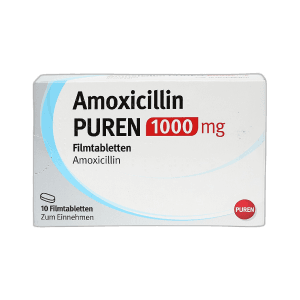
Various prescription medications are available for treatment. Click on a medication to learn more about its effects, dosage and side effects.





Prevention
This section provides guidance on prevention and reducing risk factors.
Women who frequently suffer from urinary tract infections can take various measures to reduce the risk:
After sexual intercourse, urinate promptly — this flushes out any bacteria that may have entered.
Drink enough — 1.5 to 2 liters per day keeps the urinary tract well flushed.
Proper wiping technique — always wipe from front to back after a bowel movement to avoid spreading intestinal bacteria toward the urethra.
Avoid chilling — do not wear wet swimwear, do not sit on cold surfaces.
Gentle intimate hygiene — do not use soaps, sprays, or douches in the intimate area.
For very frequent infections (more than three per year), the doctor may recommend long-term prophylaxis with low-dose antibiotics or local estrogen therapy (for women in menopause).
FAQ
Here you will find answers to frequently asked questions on this topic.
Would you like a medical assessment?
Fill out the medical questionnaire. A licensed doctor will review your information and recommend a suitable therapy if appropriate.
Important notice
This content is for general information only. In case of severe pain, shortness of breath, impaired consciousness, fever > 39°C or rapidly worsening symptoms, please seek immediate medical help ().
Related treatments
More treatments from the Frauengesundheit area that might interest you.
Verhütung
Ein kurzer Check der wichtigsten Eckdaten – danach kann eine passende Option ausgewählt werden.
Gesichtsbehaarung
Wir stellen ein paar gezielte Fragen, um mögliche Ursachen und passende Optionen einzuordnen.
Bakterielle Vaginose
Ein kurzer Fragebogen hilft, typische Beschwerden und mögliche Ausschlusskriterien abzufragen.
Gardnerella vaginalis
Ein paar Fragen helfen, Beschwerden und mögliche Ursachen strukturiert einzuordnen.