
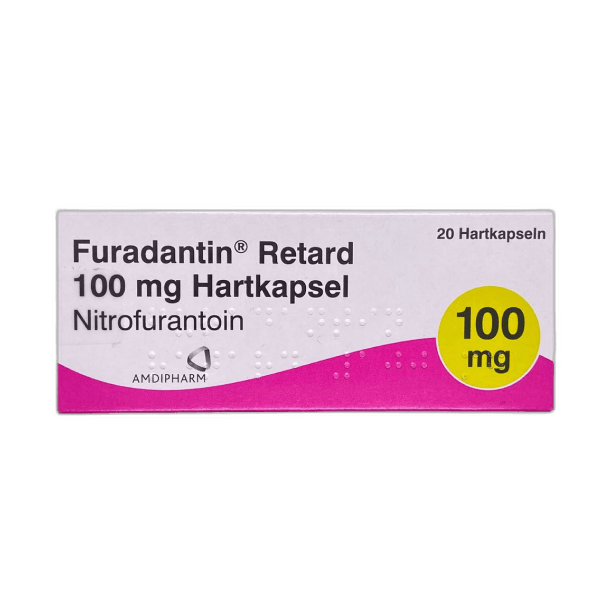
What is nitrofurantoin?
Nitrofurantoin is an antibiotic developed specifically for the treatment of urinary tract infections. It concentrates in urine and acts there against the most common pathogens of bladder inflammation.
The drug has been used for over 60 years and still has low resistance rates. It is particularly suitable for women with recurring urinary path infections, as it can also be used for long-term prophylaxis.
Known brand names are Furadantin®, Nifurantin® and Generika.
Active Ingredients & Mechanism of Action
Active ingredient: Nitrofurantoin
Nitrofurantoin acts bactericidal through several mechanisms:
Active mechanism:
- Injure bacterial DNA
- Inhibiting ribosomal proteins
- Disturbing cell wall synthesis
Special features:
- Works only in acid urine (optimal at pH <6)
- Concentrated in the tract
- No systemic effect
- Very low resistance rate
Activity spectrum:
- E. coli (the most common pathogen)
- Enterokokken
- Staphylococcus saprophyticus
- Limited: Clebsiella, Enterobacter
Who is it suitable for?
Nitrofurantoin is suitable for:
- Uncomplicated acute urinary path infections
- Recurring urinary path infections
- Long-term prophylaxis in frequent recurrents
Especially suitable for:
- E. coli infections
- Women with multiple infections per year
- As an alternative to fosfomycin failure
Not suitable for:
- Kidney pelvic inflammation (systemic effect too low)
- Renal insufficiency (Kreatinin-Clearance <45 ml/min)
- Pregnancy from 38. SSW
- Glucose-6-phosphate dehydrogenase deficiency
Available Dosages
Acute urinary path infection:
- 100 mg 2x daily for 5-7 days OR
- 50 mg 4x daily for 5-7 days
Macrocrystalline form (retarded):
- 100 mg 2x daily (better tolerated)
Prophylaxis:
- 50-100 mg in the evening or by sexual intercourse
Available forms:
- capsules 50 mg, 100 mg
- Retard capsules 100 mg (macro crystals)
- Suspension for children
How to Take
Intake:
- Take with food or directly after it
- Ingestion with food improves compatibility and absorption of active ingredients
- Take with plenty of water
Language:
- Acute infection: 5-7 days (completely taking!)
- Prophylaxis: Long term possible under medical control
Important:
- Drink a lot
- Complete the cure
- Retardforms do not crumble
For prophylaxis: Evening intake or sexual intercourse (postcoital).
Contraindications
**Nitrofurantoin must not be taken at:* *
- Heavy renal insufficiency (Kreatinin-Clearance <45 ml/min)
- Glucose-6-phosphate dehydrogenase (G6PD) deficiency
- Acute porphyry
- Pregnancy from 38. SSW (risk for newborn haemolysis)
- Still time in the first months of life
Preview at:
- Light to medium kidney failure
- Anemia, diabetes, vitamin B deficiency (risk of neuropathy)
- lung diseases
- Long-term application (regular controls)
Possible Side Effects
Acid (1-10%):
- nausea, vomiting
- diarrhea
- Lost appetite
- Headaches
Occasionally:
- Allergic reactions
- Dark yellow/brown discoloration of urine (harmlos)
- Squeeze
Selten, but serious (especially for long-term therapy):
- lung fibrosis (chronic application)
- Peripheral neuropathy (cribing, deafness)
- Liver problems
- Hemolysis in G6PD deficiency
For long-term prophylaxis: Regular control of lung function, liver values and neurological status.
Interactions
Reactions:
- Antazida with magnesium - reduced absorption
- Sample ecid – increased nitrofurantoin level
- Fluconazole – increased toxicity
Not combine with:
- Nalidixic acid - antagonistic action
- Fluoroquinolones – reduced action
No influence on:
- Hormonal contraception
Frequently Asked Questions
Similar Medications
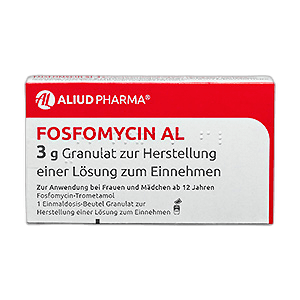
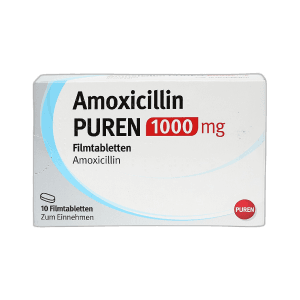
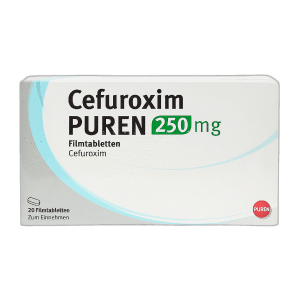
Is nitrofurantoin right for you?
A licensed doctor will review your information and issue a prescription if suitable. Discreet and secure.
Important Notice
This information does not replace medical advice. If you have questions about your health or the suitability of this medication, please consult a doctor. Read the package leaflet before use.