
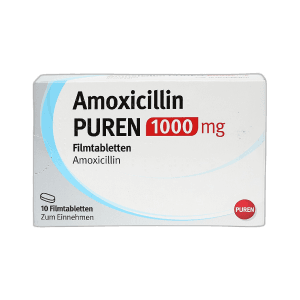
What is amoxicillin?
Amoxicillin is one of the most commonly prescribed antibiotics from the group of aminopenicilline. In urinary path infections, it is often used in combination with clavulanic acid (AmoxiClav, Augmentan®), since many pathogens have become solely resistant to amoxicillin.
Clavulanic acid is a beta-lactamase inhibitor which restores the effectiveness of amoxicillin by blocking bacterial resistance enzymes. The combination of amoxicillin/clavulanic acid is used in complicated urinary path infections, renal pelvic inflammations and other infections.
Active Ingredients & Mechanism of Action
Active ingredient: Amoxicillin (ggf. + Clavulansäure)
Miscellaneous Amoxicillin:
- inhibits cell wall synthesis of bacteria
- Ties to penicillin-binding proteins (PBPs)
- Bacteria can no longer multiply and die
- bactericidal action (abkilling)
Clavulanic acid (in AmoxiClav):
- Inhibits beta-lactamases that would inactivate amoxicillin
- Extends the spectrum of action considerably
- Makes resistant bacteria sensitive again
Activity spectrum AmoxiClav:
- E. coli (the most common pathogen in bladder inflammation)
- Klebsiella, Proteus, Enterobacter
- Staphylococci, streptococci
- Anaerobic
Who is it suitable for?
AmoxiClav is suitable for:
- Complicated urinary path infections
- Pyelonephritis
- Recurrent bladder inflammation
- If first line therapies have failed
Amoxicillin alone:
- Only in the case of detected sensitivity of the pathogen
- In pregnancy an option (after antibiogram)
Not suitable:
- Penicillin allergy
- Infectious mononucleosis (Pfeiffersches Drüsenfieber) → high risk of exanthem
Available Dosages
AmoxiClav in urinary tract infections:
- 625 mg (500/125 mg) three times a day for 5–7 days
- 1000 mg (875/125 mg) twice a day for 5–7 days
Amoxicillin alone (only with sensitive pathogens): 500 mg three times a day
Available starches (AmoxiClav):
- 625 mg (500/125 mg)
- 1000 mg (875/125 mg)
- juice for children
For renal insufficiency:
- dose adjustment for GFR < 30 ml/min
How to Take
Intake:
- Take at the beginning of a meal (reduced gastrointestinal discomfort)
- To swallow tablets with sufficient water
- Uniform time interval between the cans
Important notes:
- Take antibiotics completely
- Do not break prematurely, even in case of improvement
- Drink a lot
- In case of severe diarrhea (bloody or watery): contact physician immediately (C.-difficile risk)
- Probiotics can reduce risk of diarrhea
pregnant: Amoxicillin is considered one of the safest antibiotics in pregnancy (if indicated).
Contraindications
**Amoxicillin/AmoxiClav must not be taken at:* *
- Allergy to Penicilline
- Heavy liver function disorder under AmoxiClav in prehistory
- Infectious mononucleosis (high risk for maser-like exanthem)
Preview at:
- Easy kidney or liver failure
- Allergic diathesis (reduction to allergies)
- Anticoagulants therapy
AmoxiClav-specific: Clavulanic acid can cause cholestatic yellowing. In known amoxiClav-induced hepatitis, a renewed administration is contraindicated.
Possible Side Effects
Family (1–10 %):
- diarrhea (especially in AmoxiClav by Clavulanic acid)
- nausea, vomiting
- Skin rash
- Candidose (vaginal/oral)
** Occasionally (0.1-1 %):* *
- stomach pain
- Headaches
- Increased liver levels (especially AmoxiClav)
- Itching
Selten, but seriously:
- C.-difficile-associated diarrhea
- Allergic reactions (Anaphylaxis)
- Hepatitis (especially AmoxiClav → cholestatic)
- Stevens-Johnson's syndrome
** The gastrointestinal complaints under AmoxiClav are more common than amoxicillin alone, due to clavulanic acid.
Frequently Asked Questions
Similar Medications



Is amoxicillin right for you?
A licensed doctor will review your information and issue a prescription if suitable. Discreet and secure.
Important Notice
This information does not replace medical advice. If you have questions about your health or the suitability of this medication, please consult a doctor. Read the package leaflet before use.