Overview
In this section you will get an overview of the condition and its relevance to your health.
The thyroid gland controls many metabolic processes in the body through its hormones. When it produces too few hormones, this is called hypothyroidism. Symptoms often develop slowly and are not immediately attributed to the thyroid.
Typical symptoms include fatigue, weight gain, cold sensitivity, and dry skin. Left untreated, hypothyroidism can significantly impair daily life and have long-term health consequences.
The good news: hypothyroidism can usually be treated very effectively. With the replacement hormone levothyroxine, hormone levels can be normalized and symptoms significantly improved -- including after medical review as part of an online consultation.
What is it?
Here you will learn what medically characterizes this condition and how it is defined.
In hypothyroidism, the thyroid gland produces too little of the hormones T4 (thyroxine) and T3 (triiodothyronine). These hormones influence energy metabolism, heart rate, digestion, temperature regulation, and psychological well-being, among other things.
The body tries to compensate for the deficiency through the regulatory hormone TSH (from the pituitary gland). Therefore, the typical finding is: elevated TSH, low free T4 (or still normal in early stages).
A distinction is made between:
- Primary hypothyroidism (thyroid gland itself is affected, most common form)
- Secondary hypothyroidism (regulation in the pituitary gland/hypothalamus)
Causes
The following information explains which factors can contribute to the development of this condition.
The most common cause in Germany is an autoimmune disease.
Hashimoto's thyroiditis causes the immune system to attack thyroid tissue, leading to decreased hormone production.
Other causes:
- Thyroid removal/radioiodine therapy
- Iodine deficiency or (more rarely) iodine excess
- Certain medications (e.g., amiodarone, lithium)
- Thyroid inflammation
Pregnancy and the postpartum period can also affect thyroid function.
Symptoms
This section describes the typical signs and symptoms you should watch for.
Symptoms are often nonspecific and develop gradually:
- Fatigue, lack of drive
- Weight gain
- Cold sensitivity
- Dry skin, brittle hair
- Constipation
- Depressed mood, concentration problems
- Slow pulse
Warning signs include severe fatigue with confusion, hypothermia, or circulatory problems (very rare, emergency) as well as newly appearing lumps/swelling in the neck.
Diagnosis
Below you will learn how this condition is detected through medical examinations.
Diagnosis is made through blood tests:
- TSH
- Free T4 (and possibly free T3)
- Antibodies (e.g., TPO antibodies) if Hashimoto's is suspected
Depending on findings, ultrasound may be useful.
As part of an online consultation, laboratory values can be interpreted and a therapy plan established. Regular values are important for follow-up monitoring.
Treatment
Here the available therapy options and their modes of action are explained.
The standard therapy is levothyroxine (L-thyroxine) as a tablet. It replaces the missing thyroid hormone.
Administration: usually in the morning on an empty stomach, with a gap before coffee, calcium, or iron supplements (otherwise absorption is reduced).
Dosage is individually titrated and adjusted based on TSH/fT4. Too high a dose can lead to restlessness, palpitations, or weight loss.
Important contraindications/caution:
- Untreated adrenal insufficiency
- Certain cardiac arrhythmias or coronary heart disease (dose must be carefully adjusted)
Available medications
Various prescription medications are available for treatment. Click on a medication to learn more about its effects, dosage and side effects.
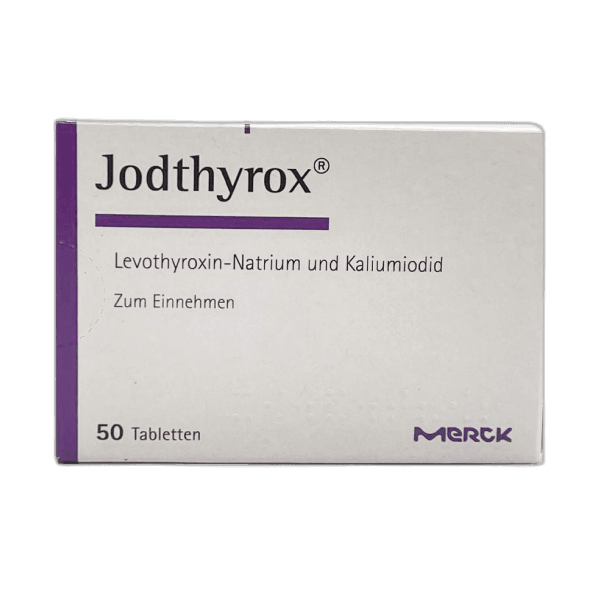
iodothyrox
Levothyroxin-Natrium (T4) / Kaliumjodid
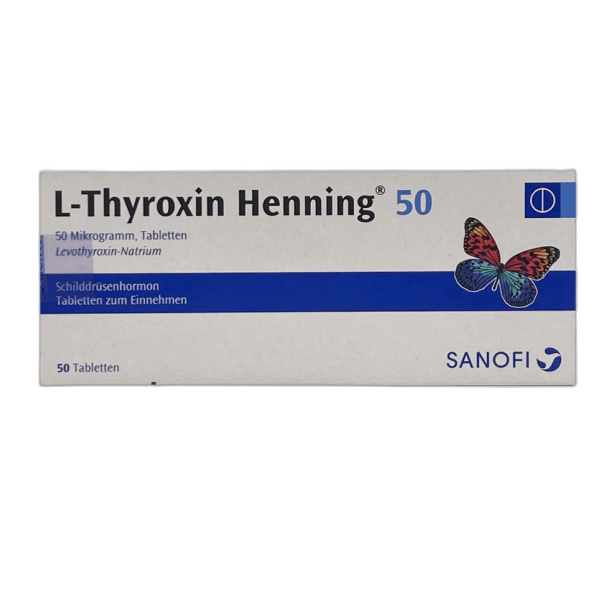
L-Thyroxin
Levothyroxin-Natrium (T4)
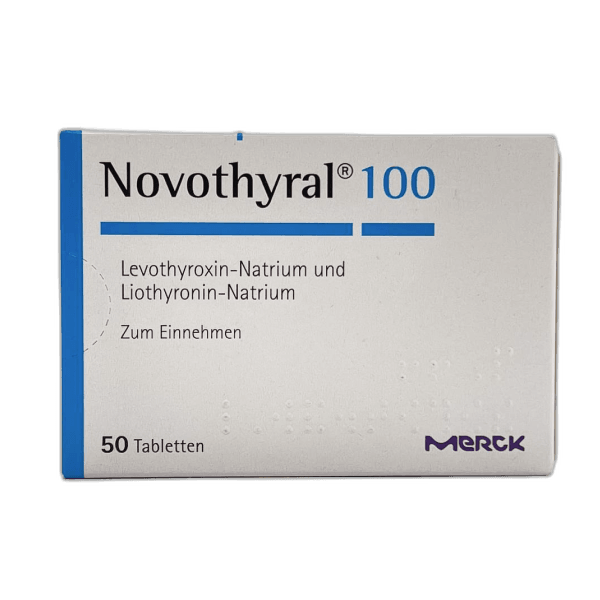
Novothyral
Levothyroxin (T4) / Liothyronin (T3)
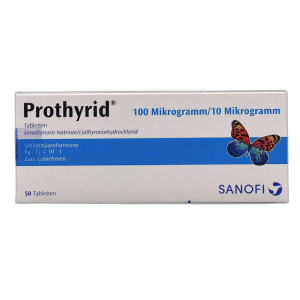
prothyride
Levothyroxin (T4) / Liothyronin (T3)
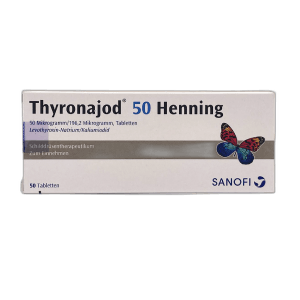
thyroid
Levothyroxin-Natrium (T4) / Kaliumjodid
Prevention
This section provides guidance on prevention and reducing risk factors.
Not every hypothyroidism is preventable, particularly autoimmune forms.
For at-risk groups (e.g., family history, women after pregnancy, known autoimmune diseases), regular monitoring is advisable.
Adequate iodine intake through diet can help prevent iodine-deficiency-related hypothyroidism.
FAQ
Here you will find answers to frequently asked questions on this topic.
Would you like a medical assessment?
Fill out the medical questionnaire. A licensed doctor will review your information and recommend a suitable therapy if appropriate.
Important notice
This content is for general information only. In case of severe pain, shortness of breath, impaired consciousness, fever > 39°C or rapidly worsening symptoms, please seek immediate medical help ().
Related treatments
More treatments from the Allgemeine Medizin area that might interest you.
Asthma
Wir prüfen Beschwerden und mögliche Warnzeichen, damit der nächste Schritt sicher eingeordnet werden kann.
Medizinisches Cannabis
Kurzer Check zu Beschwerden, Vorerkrankungen und bisherigen Therapien zur medizinischen Einordnung.
Allergischer Schnupfen (Heuschnupfen)
Ein kurzer Fragebogen hilft, Symptome, Auslöser und bisherige Behandlung zu erfassen.
Raucherentwöhnung
Kurzer Check zu Konsum, Motivation und Rahmenbedingungen – für passende Optionen.