
Overview
In this section you will get an overview of the condition and its relevance to your health.
Many people are familiar with heartburn: a burning sensation behind the breastbone, acid regurgitation, or pressure in the upper abdomen -- often after eating or when lying down. In most cases, the cause is a backflow of stomach acid into the esophagus.
Occasional heartburn is usually harmless. However, if symptoms become more frequent or severe, gastroesophageal reflux disease (GERD) may be present, which should be treated to protect the esophagus.
The good news: heartburn can be very well controlled in many cases -- with lifestyle measures and effective medications. A medically supervised online consultation can also help find the right therapy.
What is it?
Here you will learn what medically characterizes this condition and how it is defined.
Heartburn occurs when acidic stomach contents flow back into the esophagus. Unlike the stomach, the esophagus is not designed for acid exposure -- this leads to burning, irritation, and sometimes inflammation.
A weakness of the lower esophageal sphincter is often present. A diaphragmatic hernia (hiatal hernia) can also promote reflux.
When symptoms occur regularly or complications develop, it is referred to as gastroesophageal reflux disease (GERD).
Causes
The following information explains which factors can contribute to the development of this condition.
Heartburn is promoted by a combination of mechanical and functional factors.
Weakness of the esophageal sphincter is a common cause. This allows acid to rise more easily -- especially when lying down or after large meals.
Lifestyle factors increase the risk:
- Overweight (increased pressure in the abdominal cavity)
- High-fat meals, alcohol, coffee, chocolate
- Smoking
- Eating late and lying down immediately afterward
Other causes may include:
- Pregnancy
- Certain medications (e.g., some pain relievers)
- Diaphragmatic hernia (hiatal hernia)
Symptoms
This section describes the typical signs and symptoms you should watch for.
Typical symptoms include:
- Burning behind the breastbone (heartburn)
- Acid regurgitation
- Pressure or bloating in the upper abdomen
- Symptoms when lying down or at night
Some affected individuals experience so-called extraesophageal symptoms:
- Hoarseness, constant throat clearing
- Cough
- Scratchy feeling in the throat
Warning signs (please seek medical evaluation):
- Difficulty swallowing, pain when swallowing
- Unintended weight loss
- Blood in stool (black) or vomiting blood
- Persistent symptoms despite therapy
Diagnosis
Below you will learn how this condition is detected through medical examinations.
The diagnosis is often made based on the typical symptoms. With recurring symptoms, a so-called trial treatment with acid blockers is often initially performed.
If warning signs, long-lasting symptoms, or therapy failure occur, further examinations may be necessary:
- Gastroscopy (endoscopy)
- pH monitoring (acid measurement)
- Manometry (pressure measurement of the esophagus)
As part of an online consultation, symptoms, risk factors, and previous treatments can be assessed and the next steps planned.
Treatment
Here the available therapy options and their modes of action are explained.
Treatment depends on the frequency and severity of symptoms.
Lifestyle measures are often very effective:
- Smaller meals, not eating late
- Elevating the upper body at night
- Weight reduction if overweight
- Individually avoiding trigger foods
Medications:
- Antacids (e.g., alginates/antacids): act quickly, primarily short-term
- H2 blockers (e.g., famotidine): moderately effective, especially for mild symptoms
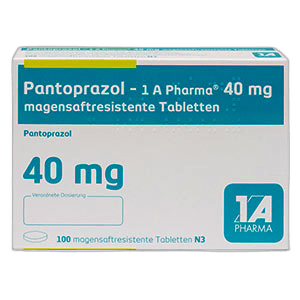
- Proton pump inhibitors (PPIs) such as pantoprazole or omeprazole: most effective, especially for frequent symptoms or inflammation
Common side effects of PPIs may include: headache, gastrointestinal complaints. With long-term use, it should be medically reviewed whether the lowest effective dose has been chosen.
Important contraindications/interactions depend on the specific preparation and should be medically evaluated -- especially with ongoing medication.
Available medications
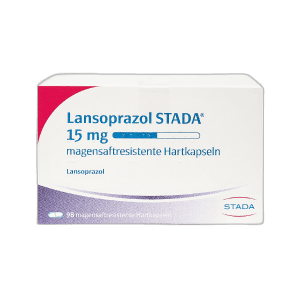
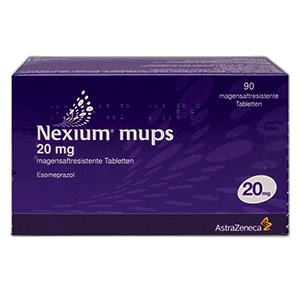
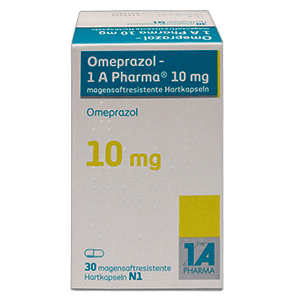
Various prescription medications are available for treatment. Click on a medication to learn more about its effects, dosage and side effects.
Prevention
This section provides guidance on prevention and reducing risk factors.
Prevention is often possible:
- Healthy body weight
- Avoiding late, very large meals
- Reducing alcohol and nicotine
- Identifying individual triggers (symptom diary)
With recurring heartburn, early medical consultation is worthwhile to protect the esophagus.
FAQ
Here you will find answers to frequently asked questions on this topic.
Would you like a medical assessment?
Fill out the medical questionnaire. A licensed doctor will review your information and recommend a suitable therapy if appropriate.
Important notice
This content is for general information only. In case of severe pain, shortness of breath, impaired consciousness, fever > 39°C or rapidly worsening symptoms, please seek immediate medical help ().
Related treatments
More treatments from the Allgemeine Medizin area that might interest you.
Asthma
Wir prüfen Beschwerden und mögliche Warnzeichen, damit der nächste Schritt sicher eingeordnet werden kann.
Medizinisches Cannabis
Kurzer Check zu Beschwerden, Vorerkrankungen und bisherigen Therapien zur medizinischen Einordnung.
Allergischer Schnupfen (Heuschnupfen)
Ein kurzer Fragebogen hilft, Symptome, Auslöser und bisherige Behandlung zu erfassen.
Raucherentwöhnung
Kurzer Check zu Konsum, Motivation und Rahmenbedingungen – für passende Optionen.