
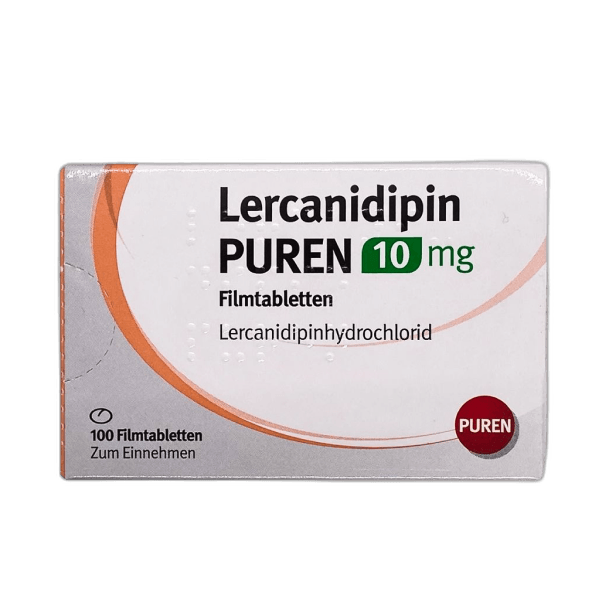
What is lercanidipine?
Lercanidipine is a third-generation calcium channel blocker of the dihydropyridine type. It is distinguished by a high lipophilia (fat solubility) which leads to a slow, uniform flooding in the vessel walls.
An essential advantage over amlodipine: Lercanidipine causes significantly rare ankle edema. This makes it particularly suitable for patients suffering from this typical side effect of calcium channel blockers.
Lercanidipine is available as a mono preparation and in combination with Enalapril (Enalapril/Lercanidipine-ratiopharm). It is taken once a day.
Active Ingredients & Mechanism of Action
Active ingredient: Lercanidipin
Lercanidipin blocks voltage-dependent L-type calcium channels in vascular muscles:
Active mechanism:
- Blocks calcium inflow into smooth vascular muscle cells
- Arteries and arteries expand
- Peripheral vascular resistance drops
- Blood pressure falls
Special (3rd generation):
- Extremely high lipophilia
- Slow enrichment in the cell membranes of the vascular wall
- Uniform, slow action
- No reflective heart rate increase
- Less edema through uniform vascular expansion
Advantages over amlodipine:
- Significantly less ankle edema
- Less facial redness (Flush)
- Less reflective sympathy activation
- Renale Vasodilatation
Initiation of action: Maximum plasma level after 1.5-3 hours. The membrane storage keeps the action 24 hours.
Who is it suitable for?
Lercanidipine is suitable for:
- Adults with light to medium blood pressure
Especially recommended at:
- Patients with ankle edema under amlodipine
- Patients who develop flush under nifedipine
- In combination with ACE inhibitors (Enalapril)
- Older patients
Not suitable:
- Heavy heart failure (NYHA III-IV)
- unstable angina pectoris
- Heavy aortic stenosis
- Within 4 weeks after heart attack
- Heavy liver or kidney failure
- Pregnancy and breastfeeding
Available Dosages
High blood pressure:
- usual dose: 10 mg once a day
- If required, increase to 20 mg once a day
- Maximum dose: 20 mg daily
In older patients:
- Start dose: 10 mg once a day
- No dose adjustment required for normal organ function
Available starches:
- 10 mg, 20 mg tablets
Combination preparation:
- Lercanidipine + Enalapril (Enalapril/Lercanidipine-ratiopharm)
How to Take
Intake:
- Once a day, preferably morning
- Take at least 15 minutes before a meal
- Suck with sufficient water
- NO grapefruit juice (inhibits degradation)
Important – sober intake: Lercanidipine should be taken before eating, as a rich meal can increase the intake by four times. This can lead to an undesirably high blood pressure reduction.
**
- No alcohol in temporal proximity to intake (reinforced vasodilatation)
- Regular blood pressure controls
- No abrupt termination necessary (but medical consultation)
Contraindications
**Lercanidipine must not be taken at:* *
- hypersensitivity to Lercanidipine or other dihydropyridines
- Heavy heart failure (NYHA III-IV)
- unstable angina pectoris
- Heavy aortic stenosis
- Within 4 weeks after heart attack
- Heavy liver or kidney failure (GFR under 30 ml/min)
- Pregnancy and breastfeeding
- Simultaneously with strong CYP3A4 inhibitors (Ketoconazole, Itraconazole, Ritonavir)
- At the same time with ciclosporin
Preview at:
- Sick sine syndrome (without pacemaker)
- Left ventricular dysfunction
- Easy to moderate kidney or liver failure
pregnant: Contraindicated. No sufficient data for safety in pregnancy.
Possible Side Effects
** Occasionally (0,1-1%):* *
- Headaches
- Squeeze
- Face redness (Flush) – more rare than Amlodipine
- Heart palp
- Ankle edema – significantly less rare than Amlodipine (about 1-2% vs. 10-15%)
Selten:
- Gastrointestinal complaints
- fatigue
- Skin rash
- muscle pain
- Chest pain
Very rare:
- Angina pectoris
- Synkope (Ohnmacht)
- Gingivahyperplasia
- liver value increases
- Increased hurdle
Advantage: The rate of ankle edema is significantly lower under larcanidipine than under amlodipine or nifedipine. This is the main reason for the choice of Lercanidipine.
Interactions
Contraint with:
- Strong CYP3A4 inhibitors (Ketoconazole, Itraconazole, Ritonavir)
- Ciclosporin (reverse mirror elevation)
Preview at:
- Medium CYP3A4 inhibitors (erythromycin, fluconazole)
- CYP3A4 inductors (rifampicin, phenytoin, carbamazepine) → reduced action
- Digoxin → light mirror increase
- Simvastatin → close-mesh surveillance
- Betablocker → increased blood pressure reduction (usually desired)
- Cimetidine → increased Lercanidipine mirror
Grapefruit: Grapefruit juice inhibits CYP3A4 and can significantly increase the Lercanidipine level. Avoid grapefruit juice!
Alcohol: Alcohol strengthens the vascular expansion effect. Avoidance recommended in time to take.
Frequently Asked Questions
Similar Medications
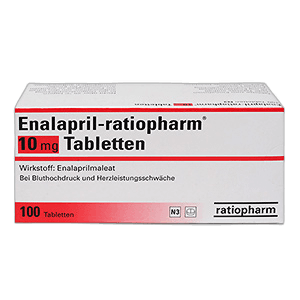
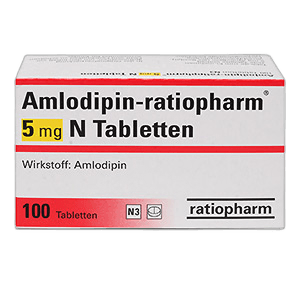
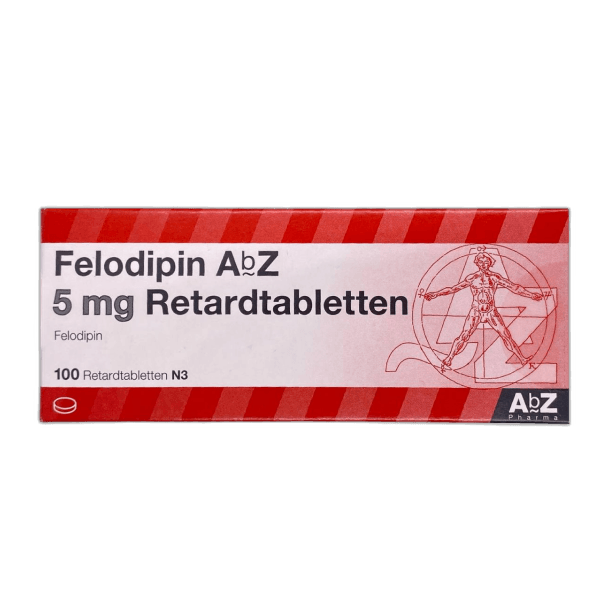
Is lercanidipine right for you?
A licensed doctor will review your information and issue a prescription if suitable. Discreet and secure.
Important Notice
This information does not replace medical advice. If you have questions about your health or the suitability of this medication, please consult a doctor. Read the package leaflet before use.