
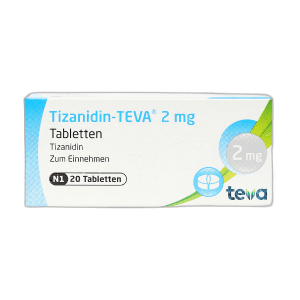
What is tizanidine?
Tizanidine is a centrally effective muscle relaxant known as Sirdalud®. It is used for treating painful muscle tensions and for spastics (e.g. after stroke or multiple sclerosis).
Tizanidine belongs to the group of alpha-2-adrenoceptor agonists and acts on spinal cord level to relax muscles. It reduces the increased muscle tone and thus relieves pain.
The active ingredient is also used in chronic back pain with muscular component if other muscle relaxants are not sufficient.
Active Ingredients & Mechanism of Action
Active ingredient: Tizanidin
Tizanidine acts via alpha-2-adrenoceptors:
Active mechanism:
- Activates alpha-2-adrenoceptors in spinal cord
- inhibits the release of excitative amino acids
- Reduces polysynaptic reflexes
- Lowers the pathologically increased muscle tone
Wirkprofil:
- Muscle relaxation
- Easy to pain relief (actual analgetic effect)
- Moderately sedative
Pharmacokinetics:
- Effect entry: 30–60 minutes
- Maximum effect: 1–2 hours
- half-life: 2–4 hours
- Degraded via CYP1A2 in the liver
Who is it suitable for?
Tizanidine is suitable for:
- Painful muscle tensions (back, neck)
- Spastics in multiple sclerosis
- Spastic after stroke or spinal cord injury
- Chronic back pain with muscle hardening
Advantages:
- Additional pain relief effect
- Flexible dosing
- Suitable for spastics
Not suitable:
- In severe liver failure
- With simultaneous intake of strong CYP1A2 inhibitors (e.g. fluvoxamine, ciprofloxacin)
- For children
Available Dosages
Tablets:
- 2 mg, 4 mg, 6 mg
For muscle tensions:
- initial dose: 2 mg 3 times a day
- Increase step by step as required
- usual dose: 2–4 mg 3 times a day
- Maximum daily dose: 36 mg (divided to 3–4 administrations)
For spastics:
- Slowly inflatable dosing
- Individual dose determination necessary
** Including dosage reduces side effects (especially fatigue, drop in blood pressure).
How to Take
Intake:
- Take tablets with water
- Regardless of meals (food can affect absorption)
- 3 times a day at regular intervals
Important notes:
- Including dose (start with low dose)
- Do not drop abruptly for longer use (rebound blood pressure increase possible)
- Restriction of traffic
- No alcohol
- Control liver values regularly
Contraindications
**Tizanidine must not be taken at:* *
- hypersensitivity to tizanidine
- Heavy liver failure
- simultaneous intake of fluvoxamine or ciprofloxacin (strong CYP1A2 inhibitors)
Preview at:
- Easy to moderate liver insufficiency
- Kidney insufficiency (dose adjustment)
- Hypotension (blood pressure drop)
- QT extension
- Older patients
Pregnant period: Not recommended.
Possible Side Effects
**Very common (> 10 %):* *
- tiredness, sleepiness
- Mouth dryness
Family (1–10 %):
- Squeeze
- Blood pressure drop
- Gastrointestinal complaints
- Muscle weaknesses
- Sleep disorders
- Increased liver levels
Occasionally:
- Bradykardie
- Hallucinations
- Hepatitis
Lebertoxicity: Tizanidine can damage the liver. Liver values should be regularly controlled in the first months.
Rebound effect: With abrupt drop after prolonged intake: blood pressure increase and increased spasticity possible.
Interactions
Contraint with:
- Fluvoxamin (increases tizanidine levels by 33 times!)
- Ciprofloxacin (increases tizanidine levels by 10 times)
**Preview with other CYP1A2 inhibitors:* *
- Oral contraceptives
- Amiodarone
- cimetidine
- Ticlopidine
Intensified sedation with:
- Alcohol
- benzodiazepines
- Opioids
- Antihistamines
Blow pressure reduction reinforced with:
- Antihypertensive
- Alpha blockers
Frequently Asked Questions
Similar Medications
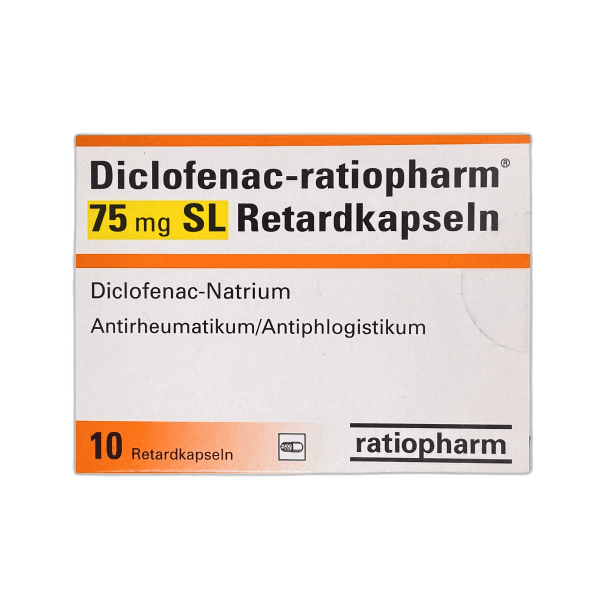
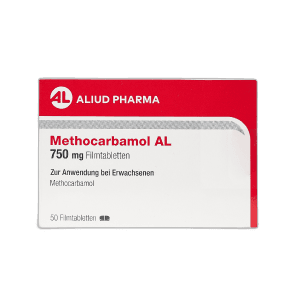
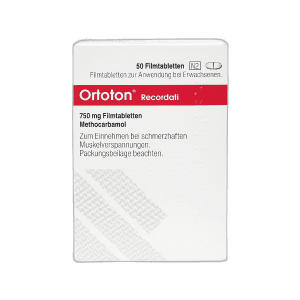
Is tizanidine right for you?
A licensed doctor will review your information and issue a prescription if suitable. Discreet and secure.
Important Notice
This information does not replace medical advice. If you have questions about your health or the suitability of this medication, please consult a doctor. Read the package leaflet before use.