
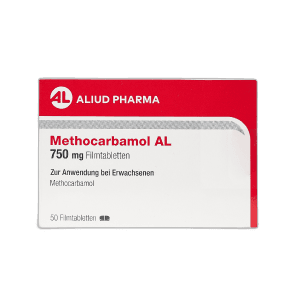
What is methocarbamol?
Methocarbamol is a centrally effective muscle relaxant for treating painful muscle tensions. The most famous brand product is Ortoton®. Methocarbamol is frequently used in acute back pain with muscle hardening.
The active ingredient relaxes the skeletal muscle without severely impairing arbitrary motor skills. It acts via the central nervous system and reduces pathologically increased muscle tension.
Methocarbamol is generally used as an accompanying medication together with painkillers and physiotherapy.
Active Ingredients & Mechanism of Action
Active ingredient: Methocarbamol
Methocarbamol acts centrally muscle-releasing:
Active mechanism:
- Inhibits polysynaptic reflexes in the spinal cord and brain stem
- Reduces pathologically increased muscle tone
- Breaks through the vicious circle of pain – tension – pain
speciality:
- Works primarily on the exaggerated muscle tension
- Normal muscle strength remains largely preserved
- Lower sedation than other muscle relaxants
Pharmacokinetics:
- Effect entry: about 30 minutes
- half-life: 1–2 hours
- metabolized in the liver
Who is it suitable for?
Methocarbamol is suitable for:
- Acute painful muscle tensions
- Back pain with muscular component
- neck and shoulder tensions
- Lumbago
- Muscle cramps after injuries
Recommended as:
- Accompanying therapy for analgesics
- Supplement to physiotherapy
- Short-term treatment (max. 2–3 weeks)
Not suitable:
- At Myasthenia gravis
- In epilepsy
- In severe kidney failure
- For children under 15 years
Available Dosages
Tablets:
- 750 mg
Use dosage (adults):
- initial dose: 3 × 2 tablets (4500 mg/day) for 2–3 days
- Preservation dose: 3 × 1 tablet (2250 mg/day)
Language:
- Usually 2–3 weeks
- Not intended for long-term use
** The initial dose is consciously high in order to break the tension cycle quickly.
How to Take
Intake:
- Take tablets unzerkaut with sufficient water
- Independent meals
- 3 times a day at regular intervals
Important notes:
- Restriction of traffic
- No alcohol during treatment (reinforced sedation)
- Can darken urine (harmlos)
- Do not drive a car at dizziness or fatigue
Contraindications
**Methocarbamol must not be taken at:* *
- hypersensitivity to methocarbamol
- Myasthenia gravis
- Comatious conditions
- Epilepsy
- Heavy kidney failure
Preview at:
- Liver insufficiency
- Moderate kidney failure
- Older patients
Pregnant period: Not recommended due to insufficient data.
Possible Side Effects
Family (1–10 %):
- Squeeze
- fatigue, fatigue
- nausea
- Headaches
** Occasionally (0.1-1 %):* *
- Gastrointestinal complaints
- Allergic skin reactions
- visual disorders
- confusion
Selten:
- Bradycardia (reduced heartbeat)
- Anaphylactic reactions
Urin discoloration: Can dye the urine brown, black or greenish – is harmless.
Interactions
Intensified sedation with:
- Alcohol
- benzodiazepines
- Opioids
- Antihistamines
- Tricyclic antidepressants
Other:
- Pyridostigmine: Effect can be weakened (Myasthenia gravis)
- Centrally active drugs in general: mutual increase in action
** Methocarbamol has relatively few clinically relevant interactions compared to other muscle relaxations.
Frequently Asked Questions
Similar Medications
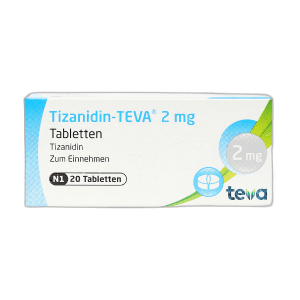
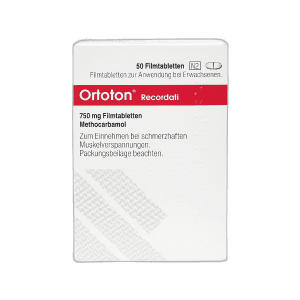
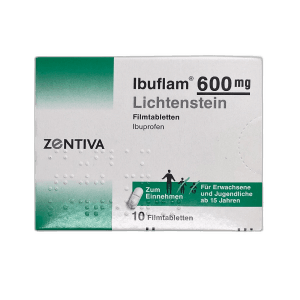
Is methocarbamol right for you?
A licensed doctor will review your information and issue a prescription if suitable. Discreet and secure.
Important Notice
This information does not replace medical advice. If you have questions about your health or the suitability of this medication, please consult a doctor. Read the package leaflet before use.