
Overview
In this section you will get an overview of the condition and its relevance to your health.
Chlamydia infections are among the most common sexually transmitted diseases worldwide. Sexually active young people are particularly affected. The insidious aspect: In many cases, the infection causes no or only very mild symptoms and therefore remains undetected for a long time.
However, untreated chlamydia can have serious health consequences. In women, it can lead to inflammation of the fallopian tubes and thus infertility; in men, to epididymitis. Complications can also occur during pregnancy.
The good news: Chlamydia can be reliably treated with antibiotics. Early diagnosis and treatment — including as part of a physician-supervised online consultation — protects against long-term consequences.
What is it?
Here you will learn what medically characterizes this condition and how it is defined.
Chlamydia are bacteria of the species Chlamydia trachomatis that preferentially infect the mucous membranes of the urogenital tract. They are transmitted almost exclusively through unprotected sexual intercourse, including vaginal, anal, and oral sex.
After infection, the bacteria multiply within the mucosal cells and cause inflammation there. Because the immune system often responds only weakly, the infection frequently remains asymptomatic for a long time.
Different chlamydia types are distinguished. Serotypes D through K are primarily relevant for sexually transmitted infections.
Causes
The following information explains which factors can contribute to the development of this condition.
The cause of a chlamydia infection is the transmission of bacteria during sexual contact.
Main transmission routes include:
- Unprotected vaginal intercourse
- Unprotected anal intercourse
- Unprotected oral sex
Risk factors include:
- Frequently changing sexual partners
- Not using condoms
- Previous sexually transmitted infections
- Lack of preventive screening
Infection is also possible when the partner shows no symptoms.
Symptoms
This section describes the typical signs and symptoms you should watch for.
Many chlamydia infections are asymptomatic. When symptoms do occur, they differ by sex.
Typical symptoms in women:
- Increased or altered vaginal discharge
- Burning during urination
- Lower abdominal pain
- Pain during sexual intercourse
- Intermenstrual bleeding
Typical symptoms in men:
- Burning during urination
- Clear or purulent discharge from the urethra
- Pain or swelling of the testicles
Warning signs that require urgent medical evaluation include severe lower abdominal pain, fever, or testicular pain.
Diagnosis
Below you will learn how this condition is detected through medical examinations.
The diagnosis of a chlamydia infection is made through direct detection of the bacteria.
The most reliable method is a PCR test that detects chlamydia DNA. Depending on the situation, the following may be performed:
- A urine test
- A swab from the vagina, cervix, or urethra
Regular screening is recommended for sexually active women under 25, as infections frequently occur without symptoms.
As part of an online consultation, the indication for testing can be assessed and appropriate diagnostics can be arranged.
Treatment
Here the available therapy options and their modes of action are explained.
Chlamydia is treated with antibiotics.
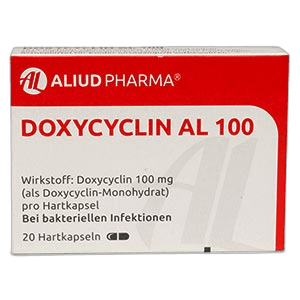
Doxycycline is the first-line treatment. It is taken for 7 days and is highly effective. Common side effects include gastrointestinal discomfort and increased photosensitivity.
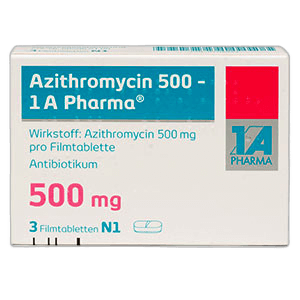
Azithromycin is an alternative and is usually administered as a single dose. It is particularly suitable when treatment adherence is limited or during pregnancy.
Important notes:
- Sexual intercourse should be avoided during treatment.
- Sexual partners from the last 60 days should be tested and treated as well.
- A follow-up examination is often recommended after completing therapy.
Untreated infections can lead to serious long-term consequences.
Available medications
Various prescription medications are available for treatment. Click on a medication to learn more about its effects, dosage and side effects.
Prevention
This section provides guidance on prevention and reducing risk factors.
The most effective protection against chlamydia is the consistent use of condoms.
Regular testing, especially with changing sexual partners, helps detect infections early and prevent further transmission.
Open communication with sexual partners and early treatment protect against complications and reinfection.
FAQ
Here you will find answers to frequently asked questions on this topic.
Would you like a medical assessment?
Fill out the medical questionnaire. A licensed doctor will review your information and recommend a suitable therapy if appropriate.
Important notice
This content is for general information only. In case of severe pain, shortness of breath, impaired consciousness, fever > 39°C or rapidly worsening symptoms, please seek immediate medical help ().
Related treatments
More treatments from the Geschlechtskrankheiten area that might interest you.
Genitalwarzen
Kurzer Check zu Symptomen, Verlauf und Vorbehandlung, um Optionen einzuordnen.
Genitalherpes
Wir fragen Verlauf und Beschwerden ab, um passende Optionen medizinisch zu bewerten.
HIV Prävention (PrEP)
Kurzer Check zu Risiken, Vorerkrankungen und Voraussetzungen für eine sichere Einordnung.
Gonorrhoe
Ein kurzer Fragebogen hilft, Symptome und Risiken strukturiert zu erfassen.