
Overview
In this section you will get an overview of the condition and its relevance to your health.
Genital herpes is one of the most common sexually transmitted viral infections. It is caused by herpes simplex viruses, usually type 2 (HSV-2), less commonly type 1 (HSV-1). Many infections initially go unnoticed but can later cause recurring symptoms.
An outbreak of genital herpes is often associated with pain, uncertainty, and embarrassment for those affected. However, it is important to know that genital herpes is highly treatable, even though the infection is not completely curable.
The good news: With antiviral medications, the duration, intensity, and frequency of outbreaks can be significantly reduced — including after medical review as part of an online consultation.
What is it?
Here you will learn what medically characterizes this condition and how it is defined.
Genital herpes is an infection of the skin and mucous membranes in the genital or anal area caused by herpes simplex viruses. After the initial infection, the virus remains in the body for life and retreats into nerve ganglia.
There it remains in an inactive state and can be reactivated by certain triggers. These reactivations lead to recurring herpes outbreaks, usually at the same body site.
HSV-2 is the most common cause of genital herpes, while HSV-1 more commonly causes cold sores but is increasingly being detected in the genital area as well.
Causes
The following information explains which factors can contribute to the development of this condition.
The cause of genital herpes is infection with herpes simplex viruses.
Transmission routes include:
- Unprotected vaginal, anal, or oral intercourse
- Direct skin or mucosal contact with infectious areas
Risk factors include:
- Frequently changing sexual partners
- Unprotected sexual intercourse
- Weakened immune system
- Pre-existing mucosal injuries
Even without visible blisters, the virus can be transmitted (asymptomatic viral shedding).
Symptoms
This section describes the typical signs and symptoms you should watch for.
The symptoms of genital herpes vary widely and can range from mild to very painful.
Initial signs often include:
- Tingling
- Burning
- A sensation of tightness in the genital area
Typical symptoms in the further course:
- Small, painful blisters
- Open, weeping ulcers after the blisters burst
- Redness and swelling
- Pain during urination
During the first infection, fever, malaise, and swollen lymph nodes may also occur.
Warning signs that should be evaluated by a physician include severe pain, fever, or a very severe course.
Diagnosis
Below you will learn how this condition is detected through medical examinations.
The diagnosis of genital herpes is made based on characteristic symptoms and direct pathogen detection.
A swab from the blisters can be examined in the laboratory by PCR. Blood tests are less suitable for acute diagnosis but can provide evidence of a previous infection.
As part of an online consultation, symptoms and photographs can be used for an initial assessment. If needed, further diagnostics will be recommended.
Treatment
Here the available therapy options and their modes of action are explained.
Genital herpes is treated with antiviral medications, known as antivirals.
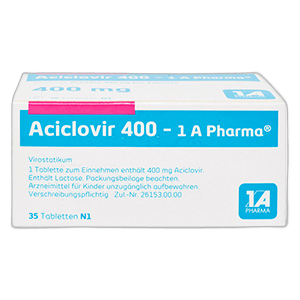
Aciclovir is a well-established active ingredient that inhibits viral replication. It is usually taken as a tablet over several days.
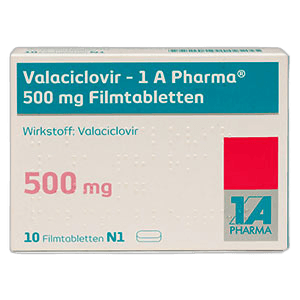
Valaciclovir is a more bioavailable prodrug of aciclovir and allows for simplified dosing.
Goals of therapy include:
- Shortening the duration of illness
- Relieving pain
- Reducing viral load
For frequent outbreaks, long-term suppressive therapy may be considered to reduce the frequency of recurrences.
Common side effects include headaches, nausea, or fatigue.
Available medications
Various prescription medications are available for treatment. Click on a medication to learn more about its effects, dosage and side effects.

Prevention
This section provides guidance on prevention and reducing risk factors.
Complete prevention of genital herpes is not possible, as the virus remains in the body for life.
The following can help reduce the risk of transmission:
- Condom use
- Avoiding sexual intercourse during an active outbreak
- Informed communication with sexual partners
Long-term antiviral therapy can additionally reduce the probability of transmission.
FAQ
Here you will find answers to frequently asked questions on this topic.
Would you like a medical assessment?
Fill out the medical questionnaire. A licensed doctor will review your information and recommend a suitable therapy if appropriate.
Important notice
This content is for general information only. In case of severe pain, shortness of breath, impaired consciousness, fever > 39°C or rapidly worsening symptoms, please seek immediate medical help ().
Related treatments
More treatments from the Geschlechtskrankheiten area that might interest you.
Chlamydien
Ein kurzer Fragebogen hilft, Symptome, Risiken und nächste Schritte strukturiert zu erfassen.
Genitalwarzen
Kurzer Check zu Symptomen, Verlauf und Vorbehandlung, um Optionen einzuordnen.
HIV Prävention (PrEP)
Kurzer Check zu Risiken, Vorerkrankungen und Voraussetzungen für eine sichere Einordnung.
Gonorrhoe
Ein kurzer Fragebogen hilft, Symptome und Risiken strukturiert zu erfassen.