
Overview
In this section you will get an overview of the condition and its relevance to your health.
Pain is one of the most common reasons for seeking medical attention. It can occur acutely (e.g., after an injury) or become chronic, significantly burdening both body and mind. The important thing to know is: pain is a warning signal -- but it does not have to be "endured."
Treatment depends greatly on whether the pain is acute or chronic, where it occurs, and what the underlying cause is. Sometimes simple measures are sufficient; sometimes targeted diagnostics are necessary.
The good news: effective therapies exist for most types of pain. A medically supervised online consultation can also help plan safe initial treatment and identify warning signs.
What is it?
Here you will learn what medically characterizes this condition and how it is defined.
Pain is an unpleasant sensory and emotional experience that indicates actual or potential tissue damage.
A distinction is made between:
- Acute pain: short-term, usually with a clear cause
- Chronic pain: lasting longer than 3 months, often with a "pain memory"
Pain types are also distinguished:
- Nociceptive (e.g., inflammation, injury)
- Neuropathic (nerve pain, e.g., in diabetes)
- Mixed
Causes
The following information explains which factors can contribute to the development of this condition.
Causes are highly variable and depend on the pain location.
Common causes of acute pain:
- Injuries, muscle tension
- Infections and inflammation
- Toothache, migraine attacks
Common causes of chronic pain:
- Back and joint diseases
- Neuropathic pain (polyneuropathy)
- Headache syndromes
- Chronic inflammation
Risk factors for chronification:
- Prolonged stress, sleep deprivation
- Lack of physical activity
- Depression/anxiety
- Repeated protective posturing
Symptoms
This section describes the typical signs and symptoms you should watch for.
Pain varies in intensity, quality, and course:
- Stabbing, pressing, burning
- Continuous or episodic
- Radiation (e.g., into the leg)
Warning signs (seek immediate evaluation):
- Neurological deficits (paralysis, numbness)
- Sudden "worst headache ever"
- Chest pain, shortness of breath
- Fever, neck stiffness
- Severe abdominal pain with circulatory problems
- Loss of bowel/bladder control with back pain
Diagnosis
Below you will learn how this condition is detected through medical examinations.
Diagnosis begins with medical history and physical examination: location, duration, triggers, accompanying symptoms, pre-existing conditions.
Depending on the suspected cause:
- Blood tests
- Imaging (ultrasound, X-ray, MRI)
- Neurological tests
In an online consultation, symptoms can be systematically assessed, warning signs evaluated, and safe initial therapy recommended. In the case of red flags, immediate in-person evaluation is advised.
Treatment
Here the available therapy options and their modes of action are explained.
Treatment depends on the cause and type of pain.
Non-pharmacological:
- Exercise, heat/cold
- Physical therapy/exercises (especially for back pain)
- Relaxation, sleep optimization
Medications (depending on the situation):
- Paracetamol (acetaminophen): well-tolerated, but liver dose limits must be observed
- Ibuprofen (or other NSAIDs): anti-inflammatory; possible side effects: stomach, kidney, blood pressure
- For stronger pain, weak opioids may be used (short-term only, with strict medical review)
Important contraindications:
- NSAIDs (e.g., ibuprofen) with gastric ulcer, kidney disease, certain cardiovascular risks
- Paracetamol with severe liver disease
- Opioids: risk of dependence, drowsiness, constipation; not without a clear indication
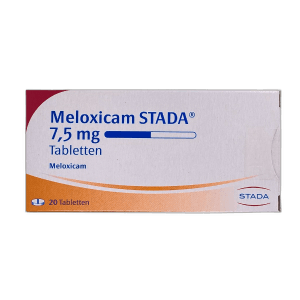
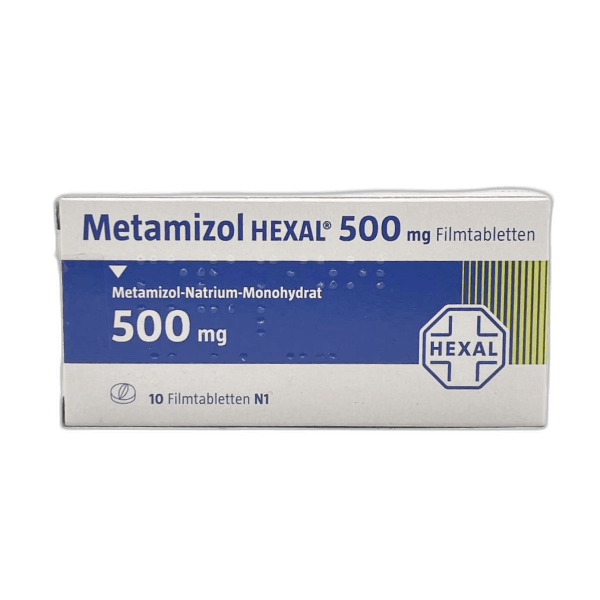
Available medications
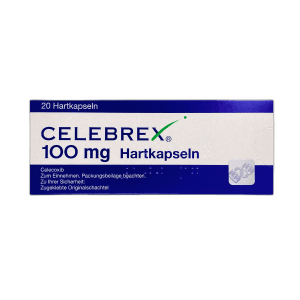
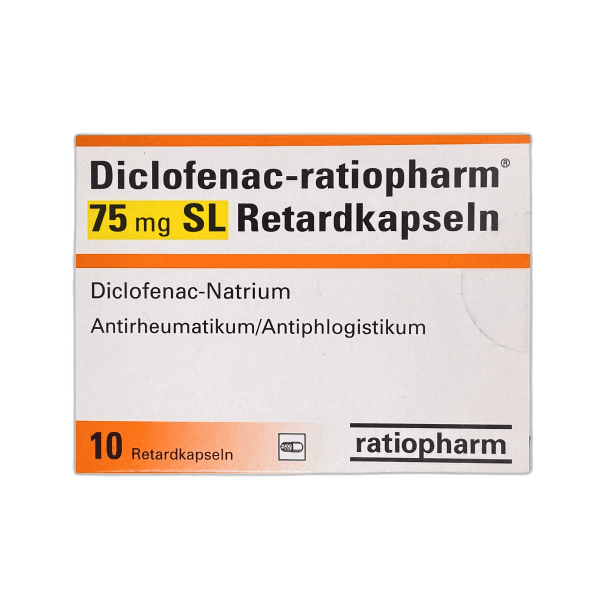
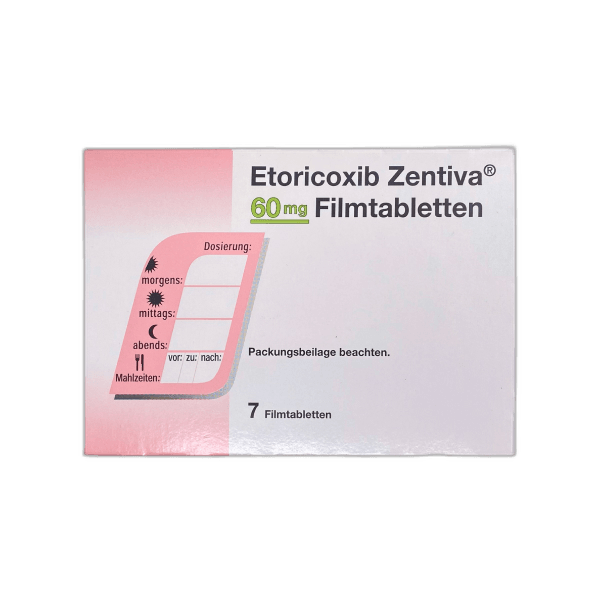
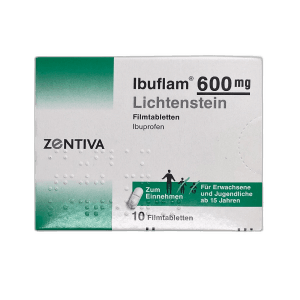
Various prescription medications are available for treatment. Click on a medication to learn more about its effects, dosage and side effects.
Prevention
This section provides guidance on prevention and reducing risk factors.
Prevention depends on the type of pain:
- Regular exercise and strength training
- Ergonomics and breaks in daily routines
- Stress management and sleep
- Early treatment to prevent chronification
For recurring pain, a medical evaluation is worthwhile.
FAQ
Here you will find answers to frequently asked questions on this topic.
Would you like a medical assessment?
Fill out the medical questionnaire. A licensed doctor will review your information and recommend a suitable therapy if appropriate.
Important notice
This content is for general information only. In case of severe pain, shortness of breath, impaired consciousness, fever > 39°C or rapidly worsening symptoms, please seek immediate medical help ().
Related treatments
More treatments from the Allgemeine Medizin area that might interest you.
Asthma
Wir prüfen Beschwerden und mögliche Warnzeichen, damit der nächste Schritt sicher eingeordnet werden kann.
Medizinisches Cannabis
Kurzer Check zu Beschwerden, Vorerkrankungen und bisherigen Therapien zur medizinischen Einordnung.
Allergischer Schnupfen (Heuschnupfen)
Ein kurzer Fragebogen hilft, Symptome, Auslöser und bisherige Behandlung zu erfassen.
Raucherentwöhnung
Kurzer Check zu Konsum, Motivation und Rahmenbedingungen – für passende Optionen.