
Overview
In this section you will get an overview of the condition and its relevance to your health.
Overweight and obesity are among the most common chronic health problems of our time. In Germany, more than half of all adults are overweight, with a significant proportion being obese. This is not just about appearance, but primarily about health risks.
Excessive body weight increases the risk of numerous conditions, including high blood pressure, diabetes, cardiovascular disease, and joint problems. At the same time, losing weight is difficult for many affected individuals and often associated with frustration.
The good news: overweight and obesity are treatable. With an individualized combination of lifestyle changes, medical care, and if necessary medication support, sustainable results can be achieved -- including after medical review as part of an online consultation.
What is it?
Here you will learn what medically characterizes this condition and how it is defined.
Overweight and obesity are defined by the Body Mass Index (BMI), which relates body weight to height.
- Overweight: BMI between 25 and 29.9
- Obesity: BMI of 30 or above
Obesity is further divided into three severity grades. In addition to BMI, fat distribution also plays an important role, particularly visceral abdominal fat, which is associated with increased health risk.
Overweight is a chronic condition with complex causes and is not simply attributable to a lack of discipline.
Causes
The following information explains which factors can contribute to the development of this condition.
The causes of overweight are multifactorial.
Common causes:
- High-calorie diet
- Lack of physical activity
- Genetic predisposition
- Hormonal influences
- Sleep deprivation
Other contributing factors:
- Stress
- Certain medications (e.g., corticosteroids, antidepressants)
- Psychological stress
In many cases, multiple factors act together simultaneously.
Symptoms
This section describes the typical signs and symptoms you should watch for.
Overweight itself often causes no direct symptoms but can lead to numerous complaints.
Possible consequences:
- Shortness of breath during exertion
- Joint and back pain
- Fatigue
- Sleep apnea
Long-term risks:
- Type 2 diabetes
- High blood pressure
- Cardiovascular disease
- Fatty liver disease
Early treatment significantly reduces the risk of complications.
Diagnosis
Below you will learn how this condition is detected through medical examinations.
Diagnosis is made by determining body weight, height, and BMI.
For further evaluation, the following may be useful:
- Waist circumference
- Blood tests (e.g., blood sugar, cholesterol)
- Blood pressure measurements
As part of an online consultation, existing values can be evaluated and individual treatment options discussed.
Treatment
Here the available therapy options and their modes of action are explained.
The treatment of overweight is staged and individualized.
Lifestyle therapy:
- Dietary changes
- Regular physical activity
- Behavioral modifications
Medication therapy:
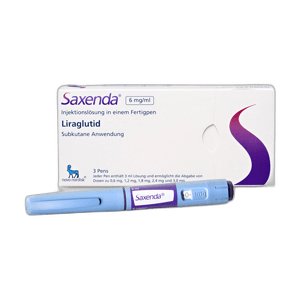
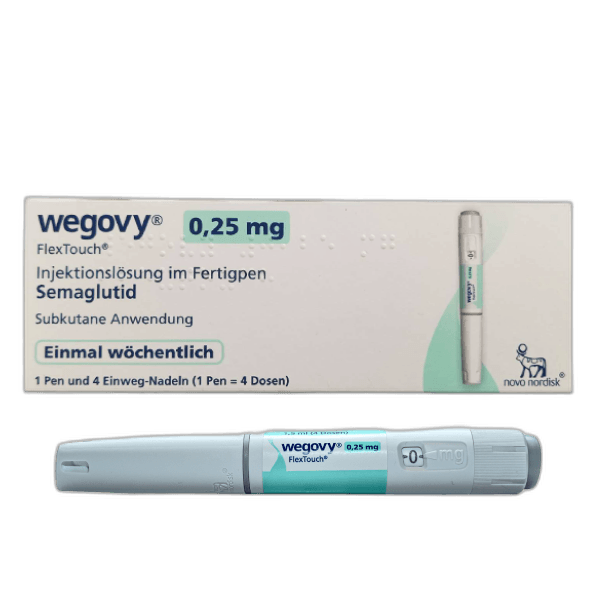
- GLP-1 receptor agonists (e.g., semaglutide) under certain conditions
- Other weight-reducing medications
Additional options:
- Structured programs
- Psychological support
- In severe cases, bariatric surgery
Important notes:
- Sustainability is key
- Crash diets are not recommended
Available medications
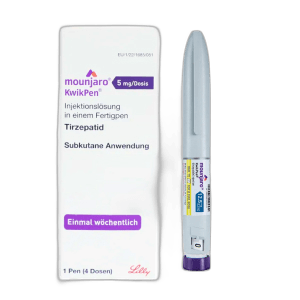
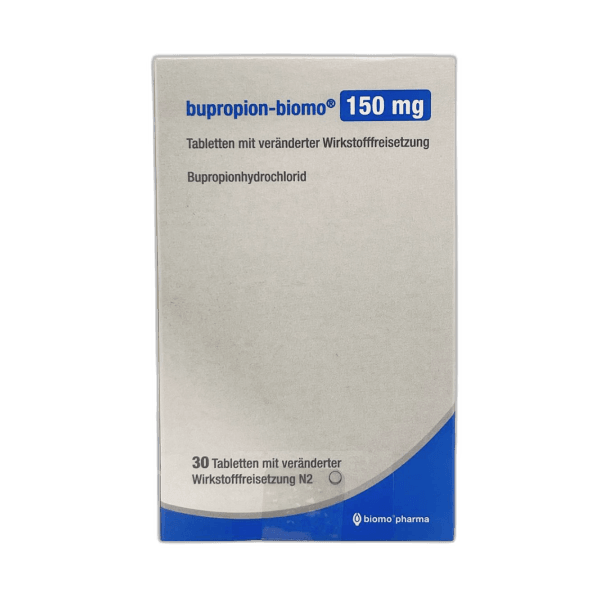
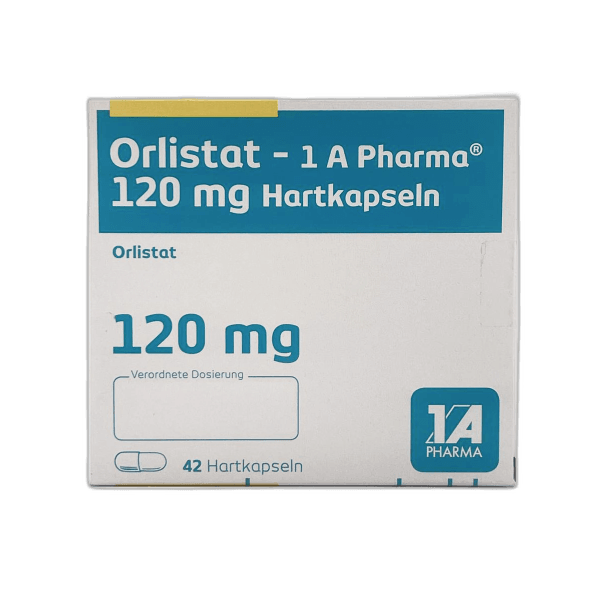
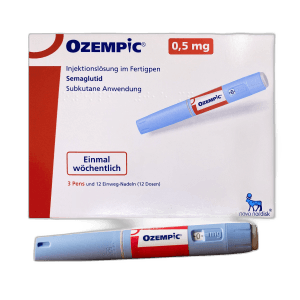
Various prescription medications are available for treatment. Click on a medication to learn more about its effects, dosage and side effects.
Prevention
This section provides guidance on prevention and reducing risk factors.
A healthy lifestyle can prevent overweight.
Recommended measures include:
- Balanced diet
- Regular exercise
- Adequate sleep
- Stress management
Early intervention significantly increases the chances of success.
FAQ
Here you will find answers to frequently asked questions on this topic.
Would you like a medical assessment?
Fill out the medical questionnaire. A licensed doctor will review your information and recommend a suitable therapy if appropriate.
Important notice
This content is for general information only. In case of severe pain, shortness of breath, impaired consciousness, fever > 39°C or rapidly worsening symptoms, please seek immediate medical help ().
Related treatments
More treatments from the Allgemeine Medizin area that might interest you.
Asthma
Wir prüfen Beschwerden und mögliche Warnzeichen, damit der nächste Schritt sicher eingeordnet werden kann.
Medizinisches Cannabis
Kurzer Check zu Beschwerden, Vorerkrankungen und bisherigen Therapien zur medizinischen Einordnung.
Allergischer Schnupfen (Heuschnupfen)
Ein kurzer Fragebogen hilft, Symptome, Auslöser und bisherige Behandlung zu erfassen.
Raucherentwöhnung
Kurzer Check zu Konsum, Motivation und Rahmenbedingungen – für passende Optionen.