
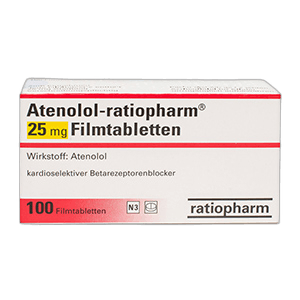
What is atenololol?
Atenolol is a cardioselective beta-1 blocker that has been used in high-pressure therapy since the 1970s. A special feature is that atenolol is hardly degraded via the liver, but is excreted almost unchanged via the kidneys.
Atenolol is used in high blood pressure, angina pectoris and certain cardiac arrhythmias. In recent years it has been more rarely prescribed than bisoprolol or metoprolol, as recent studies showed a somewhat lower protective effect against stroke. However, it still has its place in therapy, especially in patients with liver diseases.
Active Ingredients & Mechanism of Action
Active ingredient: Atenolol
Atenolol selectively blocks the beta-1 receptors:
Active mechanism:
- Cardioselective Beta-1 blockade
- Lowers heart rate and heart rate
- Inhibits renin release
- No intrinsic sympathomimetic activity (ISA)
Pharmacokinetic characteristics:
- Hydrophilic beta blocker (water soluble)
- Low passage of the blood-brain barrier
- Less central side effects (sleep disorders, nightmares)
- No liver metabolisation – renal elimination
- half-life: 6-9 hours
Activity: The blood pressure-lowering effect lasts about 24 hours, although the half-life is shorter. Once daily intake is sufficient for most patients.
Who is it suitable for?
Atenolol is suitable for:
- Adults with high blood pressure
- Angina pectoris
- Heart rhythm disorders (tachyarrhythmia)
Especially suitable for:
- Liver disease (no hepatic metabolization)
- Patients with sleep disorders among other beta blockers
- If less CNS side effects are desired
Not suitable:
- Heavy asthma bronchiale
- AV block II/III. Grades
- Heavy bradycardia
- Decompensated heart failure
- Heavy kidney failure (dose adjustment required)
- phenochromocytoma (untreated)
Available Dosages
High blood pressure:
- start dose: 50 mg once a day
- usual dose: 50-100 mg once a day
- Maximum dose: 100 mg daily
Angina pectoris:
- 50-100 mg once a day
For renal insufficiency:
- GFR 15-35 ml/min: 50 mg daily or 100 mg each second day
- GFR under 15 ml/min: 25-50 mg daily
Available starches:
- 25 mg, 50 mg, 100 mg tablets
How to Take
Intake:
- Once a day, preferably morning
- Take before meals
- Suck with sufficient water
- Always at the same time
**
- Do not drop abruptly (slips over 1-2 weeks)
- Regular blood pressure and pulse control
- In case of renal insufficiency
- Informing anaesthesia before operations
For forgotten dose:
- Over a few hours
- Otherwise next dose at the usual time
- Never take double dose
Contraindications
**Atenolol may not be taken at:* *
- hypersensitivity to atenolol
- AV block II/III. Grades
- Sick sine syndrome
- Heavy bradycardia (under 50/min)
- Heavy hypotension
- Cardiogenic shock
- Untreated phenochromocytoma
- Heavy asthma bronchiale
- Metabolic aziosis
Preview at:
- Kidney insufficiency (dose adjustment)
- Diabetes mellitus
- Peripheral blood circulation disorders
- Myasthenia gravis
- Psoriasis
pregnant: Only with strict indication. Can lead to growth delay and neonatal bradycardia.
Possible Side Effects
Acid (1-10%):
- fatigue
- Cold extremities
- Bradykardie
- Gastrointestinal complaints
- Squeeze
** Occasionally (0,1-1%):* *
- Sleep disorders (similar to lipophilic beta blockers)
- Potency disorders
- Muscle weaknesses
- Skin rash
- Dry eyes
Selten:
- Bronchospasmus
- Depressive detunement
- liver value increases
- Deterioration of Psoriasis
Advantage: As a hydrophilic beta blocker, Atenolol causes fewer nightmares and sleep disorders than lipophilic beta blockers (Metoprolol, Propranolol), as it passes the blood-brain barrier worse.
Interactions
Contraint with: Verapamil or Diltiazem i.v.
Preview at:
- calcium antagonists (Verapamil, Diltiazem) orally → reinforced bradycardia
- Antiarrhythmic → additive cardioid pressing effect
- Clonidine → Rebound hypertension while simultaneously setting
- Digitalis preparations → reinforced bradycardia
- NSAR → reduced blood pressure reduction
- anesthetic → enhanced heart action
** Since atenolol is not degraded via the liver, there are fewer pharmacokinetic interactions via CYP enzymes than with metoprolol.
Frequently Asked Questions
Similar Medications
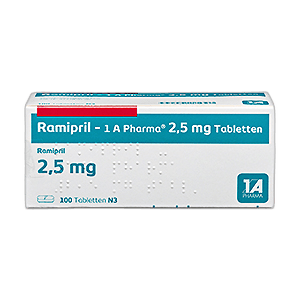
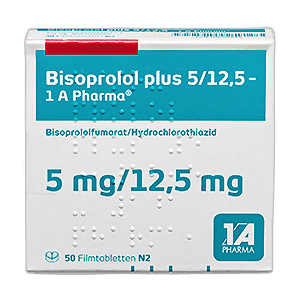
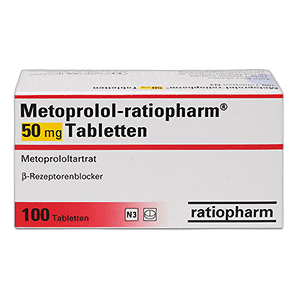
Is atenololol right for you?
A licensed doctor will review your information and issue a prescription if suitable. Discreet and secure.
Important Notice
This information does not replace medical advice. If you have questions about your health or the suitability of this medication, please consult a doctor. Read the package leaflet before use.