
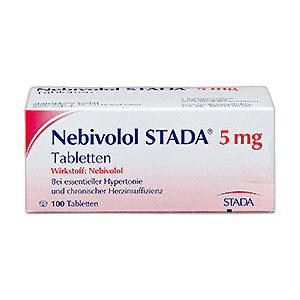
What is nebivolol?
Nebivolol is a high-selective third-generation beta-1 blocker with a unique additional property: it releases nitric oxide (NO) and thereby expands the blood vessels. This combination of beta blockade and vascular expansion makes Nebivolol particularly compatible.
Nebivolol causes rare cold hands and feet, fatigue or potency disorders as older beta blockers. It is used for treating high blood pressure and as an additional therapy for chronic heart failure. Known preparations are Nebilet® and various generic drugs.
Active Ingredients & Mechanism of Action
Active ingredient: Nebivolol
Nebivolol has a dual mechanism of action:
Beta-1 blockade:
- Highest beta-1 selectivity of all beta blockers
- Lowers heart rate and blood pressure
- Reduces the oxygen consumption of the heart
- Inhibits renin release
NO release (nitrogen monoxide):
- Activates endothelial NO synthase (eNOS)
- Nitrogen monoxide expands blood vessels
- Improves endothelial function
- Reduces peripheral vascular resistance
Advantages over older beta blockers:
- No deterioration of glucose metabolism
- No negative influence on blood fats
- Less potency disorders
- Less cold extremities
- Better influence on central hemodynamics
Initiation of action: Maximum blood pressure reduction after 1-2 weeks of regular intake. Stable setting after 4 weeks.
Who is it suitable for?
Nebivolol is suitable for:
- Adults with high blood pressure
- Chronic stable heart failure (as additional therapy, from 70 years)
Especially recommended at:
- Patients with potency disorders among other beta blockers
- Metabolic Syndrome / Diabetes
- Peripheral blood flow disorders (less vasoconstriction)
- Younger patients who value tolerability
Not suitable:
- Heavy asthma bronchiale
- AV block II/III. Grades
- Heavy bradycardia (under 50/min)
- Decompensated heart failure
- Heavy liver failure
- Cardiogenic shock
Available Dosages
High blood pressure:
- start dose: 5 mg once a day
- usual maintenance dose: 5 mg once a day
- Maximum dose: 10 mg daily (same required)
Sufficiency (from 70 years):
- start dose: 1.25 mg once a day
- Slow increase every 1-2 weeks
- Target dose: 10 mg once a day
For renal insufficiency:
- start dose: 2.5 mg once a day
- Maximum dose: 5 mg daily
Available starches:
- 5 mg tablets (divisible)
How to Take
Intake:
- Once a day, at the same time
- Independent meals
- With sufficient water
- tablet can be divided
Dosis adjustment:
- At high blood pressure: judge effect after 1-2 weeks
- With heart failure: very slow increase
- Regular pulse and blood pressure controls
Important notes:
- Do not drop abruptly – slip over at least 1-2 weeks
- Informing anaesthesia before operations
- Control blood sugar with diabetics
Contraindications
**Nebivolol must not be taken at:* *
- hypersensitivity to Nebivolol
- Heavy liver failure
- Acute heart failure or cardiogenic shock
- AV-Block II./III. Grades (without pacemaker)
- Sick sine syndrome
- Heavy bradycardia (under 50/min)
- Heavy hypotension
- Heavy asthma or heavy COPD
- Untreated phenochromocytoma
- Metabolic aziosis
Preview at:
- Light COPD (low dose possible)
- Diabetes mellitus (substance neutral, but caution)
- Psoriasis (can get worse)
- Peripheral blood flow disorders (better than other beta blockers)
pregnant: Only with strict indication. Can lead to fetal bradycardia.
Possible Side Effects
Acid (1-10%):
- Headaches
- Squeeze
- fatigue (less than other beta blockers)
- Gastrointestinal complaints
- Crawling in extremities
** Occasionally (0,1-1%):* *
- Bradykardie
- constipation, nausea
- No breathing
- Edema
- Sleep disorders
Selten:
- Depressive detunement
- Bronchospasmus
- Skin rash
- Synkope (Ohnmacht)
Advantage: Potency disorders and cold extremities occur much less under nebivolol than under metoprolol or atenolol, thanks to the vascular NO effect.
Interactions
Contraint with:
- Floctafenin
- Sultopride
Preview at:
- Verapamil/Diltiazem oral → enhanced heart action
- Antiarrhythmics (Grades I) → additive cardio-diode pressing effect
- Clonidine → if clonidine is put off, only remove beta blockers
- Insulin and oral antidiabetics → Hypoglycemia masking
- Anesthetics → enhanced myocardial depression
- CYP2D6 inhibitor (Paroxetin, Fluoxetin) → increased Nebivolol levels
** Nebivolol is predominantly metabolized via CYP2D6. With slow metabolizers (about 7% of the population), bioavailability is higher.
Frequently Asked Questions
Similar Medications
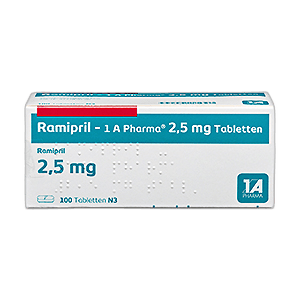
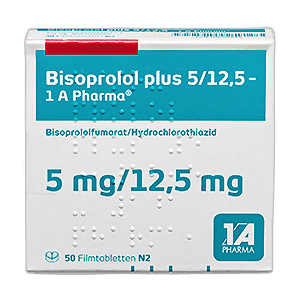
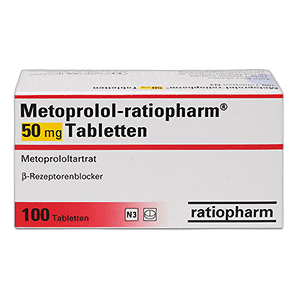
Is nebivolol right for you?
A licensed doctor will review your information and issue a prescription if suitable. Discreet and secure.
Important Notice
This information does not replace medical advice. If you have questions about your health or the suitability of this medication, please consult a doctor. Read the package leaflet before use.