
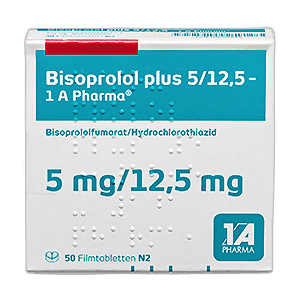
What is bisoprolol?
Bisoprolol is a highly selective beta-1 receptor blocker and the most commonly prescribed beta blocker in Germany. It is used for treating high blood pressure (hypertension), coronary heart disease (stable angina pectoris) and chronic heart failure.
The active ingredient lowers both blood pressure and heart rate and thus relieves the heart. Bisoprolol is taken once a day and is available as a generic product from numerous manufacturers, including BisoHEXAL®, Bisoprolol-1 A Pharma®, Bisoprolol-ratiopharm® and the original preparation Concor®.
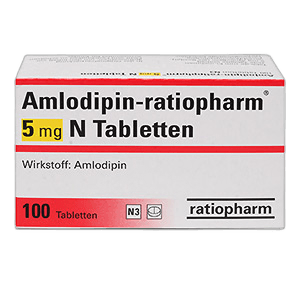
Bisoprolol is also available in combination preparations with hydrochlorothiazide (for example BisoHEXAL® plus, Bisoprolol comp) or with amlodipine.
Active Ingredients & Mechanism of Action
Active ingredient: Bisoprolol
Bisoprolol selectively blocks the beta-1 receptors in the heart:
Active mechanism:
- Blocks beta-1 receptors at heart (cardioselective)
- Reduces heart rate (negative chronotropic)
- Reduces the impact force of the heart (negative inotropic)
- Lowers the excitation line speed (negative dromotrop)
- Inhibits renin release in the kidney
Blow pressure reduction by:
- Reduced heart rate (minor volume)
- Braided renin distribution
- Central sympatholytic effect
- Long term also reducing peripheral resistance
Cardio selectivity: Bisoprolol is highly selective for beta-1 receptors. Beta-2 receptors in lungs and vessels are hardly influenced in therapeutic doses. Nevertheless, asthma must be careful.
Initiation of action: Maximum blood pressure reduction after 3-4 hours. With regular intake stable effect after 1-2 weeks.
Who is it suitable for?
Bisoprolol is suitable for:
- Adults with hypertension (arterial hypertension)
- Patients with chronic stable angina pectoris
- Chronic heart failure (as additional therapy)
- Heart rhythm disorders (tachycardia)
Especially recommended at:
- High blood pressure with increased heart rate
- coronary heart disease
- Heart failure (in combination with ACE inhibitors/sartans)
- Young patients with stress hypertension
Not suitable:
- Heavy asthma bronchiale or heavy COPD
- AV block II or III. Grades (without pacemaker)
- Sick sine syndrome
- Heavy bradycardia (heart rate below 50/min)
- Heavy hypotension (systolic under 90 mmHg)
- phenochromocytoma (untreated)
- Metabolic aziosis
Available Dosages
High blood pressure:
- start dose: 5 mg once a day
- usual maintenance dose: 5-10 mg once a day
- Maximum dose: 20 mg daily
Sufficiency:
- start dose: 1.25 mg once a day
- Slow increase every 1-2 weeks
- Target dose: 10 mg once a day
Angina pectoris:
- start dose: 5 mg once a day
- usual dose: 10 mg once a day
- Maximum dose: 20 mg daily
Available starches:
- 1.25 mg, 2.5 mg, 3.75 mg, 5 mg, 7.5 mg, 10 mg tablets
Combination preparations:
- Bisoprolol + Hydrochlorothiazide (BisoHEXAL® plus, Bisoprolol comp)
- Bisoprolol + amlodipine
How to Take
Intake:
- Once a day, preferably morning
- Independent meals
- Suck with sufficient water
- Always at the same time
Dosis adjustment for heart failure:
- Very slow increase (all 1-2 weeks)
- Beginning with 1.25 mg
- Reducing dose at worsening
- Medical supervision
Important notes:
- Never stop abruptly! Slip over at least 1-2 weeks
- Sudden settling can lead to rebound tachycardia and blood pressure increase
- Regularly control blood pressure and pulse
- Before operations inform the anaesthetist
Contraindications
**Bisoprolol must not be taken at:* *
- hypersensitivity to bisoprolol or other beta blockers
- Acute heart failure or decompensated heart failure
- Cardiogenic shock
- AV block II or III. Grades (without pacemaker)
- Sick sine syndrome
- Sinuatrial block
- Bradycardia (heart rate below 50/min before treatment)
- Heavy hypotension (systolic under 90 mmHg)
- Heavy asthma bronchiale or heavy COPD
- Untreated phenochromocytoma
- Metabolic aziosis
Preview at:
- Light to medium COPD
- Diabetes mellitus (masking of hypoglycemia symptoms)
- Strenger Fastenperiod (Hypoglykemia risk)
- Peripheral blood circulation disorders (Raynaud syndrome)
- Psoriasis (can get worse)
- Thyreotoxicosis (Symptome can be masked)
pregnant: Beta-blockers should be used in pregnancy only with strict indication. You can lead to growth delay and bradycardia in newborns.
Possible Side Effects
Acid (1-10%):
- fatigue, exhaustion
- dizziness, headache
- Cold feeling in hands and feet
- Gastrointestinal complaints (abuse, diarrhea, constipation)
- Bradycardia (reduced heartbeat)
** Occasionally (0,1-1%):* *
- Sleep disorders, nightmares
- Depressive detunement
- Muscle weakness, muscle spasms
- Potency disorders
- Orthostatic hypotension
- Bronchospasm in sensitive patients
Selten:
- Reinforcement of Psoriasis
- deterioration of peripheral blood circulation disorder
- liver function disorders (transaminase increase)
- Allergic skin reactions
Important note: Beta-blockers can mask symptoms of undersugar (trays, heartaches). Diabetics should closely control their blood sugar.
Interactions
Contraint with:
- Verapamil or Diltiazem i.v.
- MAO inhibitors (except MAO-B inhibitors)
Preview with simultaneous use of:
- calcium antagonists of Verapamil/Diltiazem type → enhanced heart action
- Antiarrhythmic (Amiodarone, Flecainid) → enhanced cardioid pressing effect
- Clonidine → if clonidine is put off, only remove beta blockers
- Digitalis preparations → reinforced bradycardia
- Other blood pressure counter → increased blood pressure reduction
- NSAR → slightly reduced blood pressure reduction
- Insulin and oral antidiabetics → Masking of hypoglycemia symptoms
Important: Bisoprolol and verapamil/diltiazem must not be administered intravenously at the same time. Oral combination only under strict supervision.
Frequently Asked Questions
Similar Medications
Is bisoprolol right for you?
A licensed doctor will review your information and issue a prescription if suitable. Discreet and secure.
Important Notice
This information does not replace medical advice. If you have questions about your health or the suitability of this medication, please consult a doctor. Read the package leaflet before use.