
Overview
In this section you will get an overview of the condition and its relevance to your health.
Menopause — medically known as the climacteric — is a natural phase in every woman's life. It usually begins between the ages of 45 and 55 and involves hormonal changes that can cause physical and emotional symptoms.
Many women experience menopause very differently: while some have hardly any symptoms, others suffer significantly from hot flashes, sleep disturbances, or mood swings. These symptoms are real and should be taken seriously.
The good news: Menopausal symptoms are highly treatable. With individually tailored therapy, symptoms can often be significantly relieved — including after medical review through an online consultation.
What is it?
Here you will learn what medically characterizes this condition and how it is defined.
Menopause describes the transition from the fertile phase to the final cessation of menstruation. The cause is the declining function of the ovaries and the associated decrease in female hormones, particularly estrogen and progesterone.
Several phases are distinguished:
- Premenopause: Beginning of hormonal fluctuations
- Perimenopause: Period around the last menstrual bleeding
- Postmenopause: Period after menopause
The hormone deficiency affects numerous organ systems, including the cardiovascular system, bone metabolism, mucous membranes, and the nervous system.
Causes
The following information explains which factors can contribute to the development of this condition.
The cause of menopausal symptoms lies in the declining hormone production of the ovaries.
Estrogen deficiency is the main factor for many typical symptoms such as hot flashes, sweating, and mucosal changes.
Hormonal fluctuations during the transition phase can cause cycle irregularities, breast tenderness, or mood swings.
Individual factors such as genetic predisposition, stress, lifestyle, and pre-existing conditions influence how strongly symptoms are perceived.
Surgical procedures, such as removal of the ovaries, can also lead to an abrupt onset of menopause.
Symptoms
This section describes the typical signs and symptoms you should watch for.
Symptoms during menopause are varied and can manifest with different intensity.
Common physical symptoms include:
- Hot flashes and sweating
- Sleep disturbances
- Heart palpitations
- Weight gain
Psychological symptoms may include:
- Mood swings
- Irritability
- Depressive mood
- Concentration problems
Urogenital symptoms include:
- Vaginal dryness
- Pain during intercourse
- Frequent urge to urinate or recurring urinary tract infections
Warning signs that should be medically evaluated include heavy bleeding, persistent depressive symptoms, or suddenly occurring complaints.
Diagnosis
Below you will learn how this condition is detected through medical examinations.
The diagnosis of menopause is based primarily on typical symptoms and the woman's age.
Hormone tests are not necessary in most cases but can be useful for unclear symptoms or very early onset. These include FSH and estrogen levels, among others.
A gynecological examination serves to rule out other causes of bleeding disorders or symptoms.
An online consultation can also be used to systematically record symptoms and discuss possible treatment options.
Treatment
Here the available therapy options and their modes of action are explained.
Treatment of menopausal symptoms depends on the type and severity of symptoms as well as individual risk factors.
Hormone replacement therapy (HRT) is the most effective treatment for severe symptoms. It compensates for hormone deficiency and particularly alleviates hot flashes and sleep disturbances. Depending on the situation, estrogens alone or in combination with progestogens are used. Possible side effects include breast tenderness or light bleeding.
Local estrogens are used for vaginal dryness and act directly on site with low systemic burden.
Non-hormonal therapies include herbal preparations, low-dose antidepressants, or certain blood pressure medications that can reduce hot flashes.
Important contraindications for systemic HRT include:
- Breast cancer or hormone-dependent tumors
- Unexplained vaginal bleeding
- Previous thrombosis or embolism
The decision for or against hormone therapy should always be made individually with medical guidance.
Available medications
Various prescription medications are available for treatment. Click on a medication to learn more about its effects, dosage and side effects.
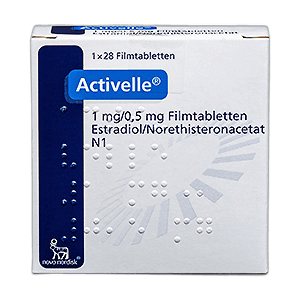
Active
Estradiol 1 mg, Norethisteronacetat 0,5 mg
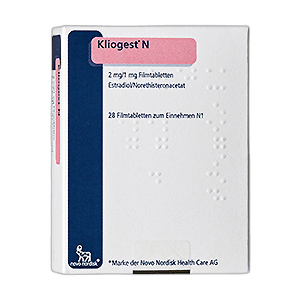
cyclo-Progynova
Estradiolvalerat, Norgestrel
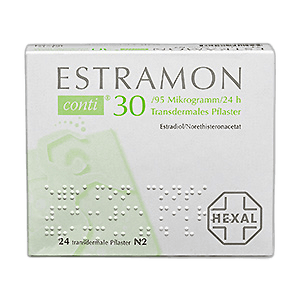
Estramon conti
Estradiol 50 µg/24h, Norethisteronacetat 170 µg/24h
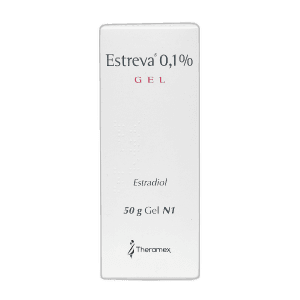
Estreva
Estradiol 0,1%
estring
Estradiol 2 mg (Freisetzung ca. 7,5 µg/Tag)
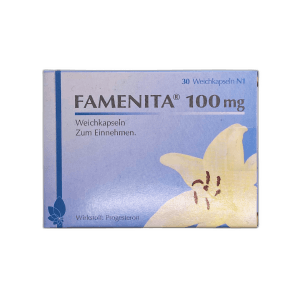
famenita
Progesteron (mikronisiert) 100 mg / 200 mg
Prevention
This section provides guidance on prevention and reducing risk factors.
A healthy lifestyle can positively influence menopausal symptoms.
Regular exercise, a balanced diet, and stress reduction help reduce weight gain and mood swings. Quitting smoking also has a beneficial effect.
For osteoporosis prevention, adequate calcium and vitamin D intake as well as strength training are particularly important.
FAQ
Here you will find answers to frequently asked questions on this topic.
Would you like a medical assessment?
Fill out the medical questionnaire. A licensed doctor will review your information and recommend a suitable therapy if appropriate.
Important notice
This content is for general information only. In case of severe pain, shortness of breath, impaired consciousness, fever > 39°C or rapidly worsening symptoms, please seek immediate medical help ().
Related treatments
More treatments from the Frauengesundheit area that might interest you.
Verhütung
Ein kurzer Check der wichtigsten Eckdaten – danach kann eine passende Option ausgewählt werden.
Gesichtsbehaarung
Wir stellen ein paar gezielte Fragen, um mögliche Ursachen und passende Optionen einzuordnen.
Bakterielle Vaginose
Ein kurzer Fragebogen hilft, typische Beschwerden und mögliche Ausschlusskriterien abzufragen.
Blasenentzündung
Wir prüfen Symptome und Warnzeichen, damit eine passende Empfehlung medizinisch sicher eingeordnet werden kann.